

(415) 717-7243
Selling Your Home in Santa Rosa, Petaluma, or Rohnert Park: Step-by-Step Local Checklist for Interviewing and Comparing Real Estate Agents
How can you effectively interview and compare real estate agents to sell your home in Santa Rosa, Petaluma, or Rohnert Park?

Start by defining your goals, then interview at least two or three local agents using the same questions. Compare their neighborhood experience, pricing analysis, marketing plan, communication, fees, and contract terms before deciding who will represent your home.
Why Your Agent Choice Matters
Selling a home involves more than placing it on the Multiple Listing Service and waiting for offers. Your listing agent affects how your home is prepared, priced, presented, marketed, negotiated, and managed through escrow.
A strong local agent can help you:
- Position the home against current local competition.
- Recommend practical repairs, preparation, decluttering, or staging.
- Build a data-supported pricing strategy.
- Create a professional listing presentation.
- Attract qualified buyers and buyer agents.
- Evaluate offers based on price, financing, contingencies, credits, and closing certainty.
- Navigate disclosures, inspections, appraisals, repairs, and deadlines.
Santa Rosa, Petaluma, and Rohnert Park are all within Sonoma County, but each market contains distinct neighborhoods, property types, buyer pools, price ranges, and competing inventory. The best agent should understand the details of your location and property—not just provide countywide averages.
Step 1: Define Your Priorities
Before interviewing agents, decide what a successful sale looks like for you. This helps you evaluate their recommendations instead of being swayed by the biggest promise.
Consider:
- Do you need to sell by a specific date?
- Is your priority the highest possible price, a faster sale, greater certainty, or convenience?
- Are you purchasing another home at the same time?
- Are you willing to make repairs, stage the property, or complete pre-listing work?
- Do you need specific showing limits or privacy protections?
- Would a rent-back period or particular closing date help?
- How often do you want updates?
Most home sales involve tradeoffs. For example, an aggressive list price may attract early attention, while a higher price may require more patience and a different marketing plan. A good agent should explain those tradeoffs openly.
Step 2: Build Your Shortlist
Interviewing at least two or three agents creates a meaningful comparison. Start with recommendations from people you trust, local signs and recent sales, verified online reviews, and professional profiles.
Prioritize agents who can show:
- Recent seller-side transactions in Santa Rosa, Petaluma, or Rohnert Park.
- Experience with homes similar to yours in style, condition, location, and price range.
- A clear explanation of the local buyer pool.
- Positive feedback about responsiveness, honesty, negotiation, and organization.
- A professional marketing approach.
- References from recent sellers.
- Transparency about team members and who will handle day-to-day work.
Before moving forward, verify that an agent’s California license is active through the Department of Real Estate’s public license lookup. Public information can include license type, status, expiration details, responsible broker information, and available discipline-related information.
Step 3: Ask Consistent Questions
Ask each agent the same core questions so you can compare their answers fairly.
Local experience
- How many homes have you sold recently in Santa Rosa, Petaluma, or Rohnert Park?
- Which recent listings are most comparable to my home?
- What buyer segments are most likely to be interested in my property?
- Which active homes are my true competition?
- What local factors could affect buyer interest or value?
- What are the biggest risks or challenges you see with my sale?
Pricing strategy
- What list-price range would you recommend, and why?
- Which comparable sales support that recommendation?
- How did you account for condition, upgrades, location, lot size, and layout?
- How do current active listings affect the strategy?
- What buyer activity would signal that a price adjustment is needed?
- How quickly would you recommend revisiting the strategy if interest is weak?
Marketing plan
- What do you recommend completing before the home goes live?
- Who handles photography, video, floor plans, staging, and listing copy?
- How will you promote the home beyond the MLS?
- Will you use social media, digital advertising, agent outreach, broker tours, open houses, or private showings?
- How will you follow up with agents and buyers who show interest?
- What will happen during the first week after launch?
Communication and negotiation
- How frequently will I receive updates and showing feedback?
- Do you prefer calls, text messages, email, or meetings?
- Who will be my primary contact throughout the listing?
- How do you handle inspection requests, appraisal issues, financing concerns, and low offers?
- Can you describe a difficult negotiation and the outcome?
- Who will cover urgent issues if you are unavailable?
Fees and agreements
- What is your listing-side fee, and what does it include?
- Are photography, staging, media, advertising, administrative, or transaction costs separate?
- What buyer-broker compensation or seller concession options should we discuss?
- How long is the listing agreement?
- What are the cancellation or termination terms?
- Could your brokerage represent both the buyer and seller, and how would that be disclosed?
Step 4: Review the Pricing Analysis
A Comparative Market Analysis, or CMA, should support the agent’s recommended list price. A strong CMA is more than a collection of homes within a certain radius—it should explain why the properties chosen are relevant comparisons.
Review whether the analysis considers:
- Recent closed sales.
- Active competing listings.
- Pending sales, if relevant.
- Neighborhood and location differences.
- Square footage, lot size, layout, and condition.
- Renovations, views, parking, outdoor space, and other key features.
- Market direction and seasonal conditions.
- The likely buyer response at different price points.
Ask every agent to explain the CMA in plain language. You should understand why they selected certain homes, what makes your home different, and what would happen if early demand is lower than expected.
Do not choose an agent simply because they recommend the highest price. An unsupported price can reduce early interest, increase days on market, and create pressure for later price reductions.
Step 5: Compare the Marketing Plan
A marketing plan should be specific to your property. A generic promise of “maximum exposure” is not enough.
Look for a plan that includes:
- A preparation timeline before launch.
- Professional photography and, when appropriate, video or a virtual tour.
- A clear property description and complete MLS information.
- Staging guidance and repair recommendations.
- Floor plans or other visual assets, if useful.
- Distribution through major real estate websites.
- Social media and targeted digital outreach.
- Direct communication with buyer agents.
- Broker previews, open houses, private tours, or appointment-only showings when appropriate.
- Tracking of online activity, showings, and feedback.
- A defined response if the home receives views but no meaningful offers.
Ask exactly who completes the work. If the agent works with a team, find out which person will manage marketing, showings, negotiations, documents, and seller communication.
Step 6: Evaluate Communication and Fit
The selling process can become stressful when communication is inconsistent. The right agent should establish expectations before you sign.
Discuss:
- How often you will receive market updates and showing feedback.
- The communication methods you prefer.
- Typical response times.
- Who contacts you when an offer arrives.
- Whether you will work directly with the agent or a team member.
- How difficult news—such as low feedback, inspection demands, or appraisal concerns—will be communicated.
- How disagreements about pricing or strategy will be handled.
Pay attention to the interview itself. Does the agent listen to your priorities? Do they answer directly? Can they explain complicated issues clearly? Do they provide candid advice even when it may not be what you want to hear?
A good working relationship requires both competence and trust.
Step 7: Check References and Results
Ask each finalist for recent seller references, preferably from clients with homes or circumstances similar to yours.
When you speak to a reference, ask:
- Was the suggested list price realistic?
- Did the marketing match what was promised?
- Did the agent communicate consistently?
- How did the agent handle showings, feedback, and negotiations?
- Were fees and additional expenses explained upfront?
- Did the agent remain engaged through closing?
- How did they respond when a problem occurred?
- Would you hire this agent again?
Also request recent sales examples and compare them carefully.
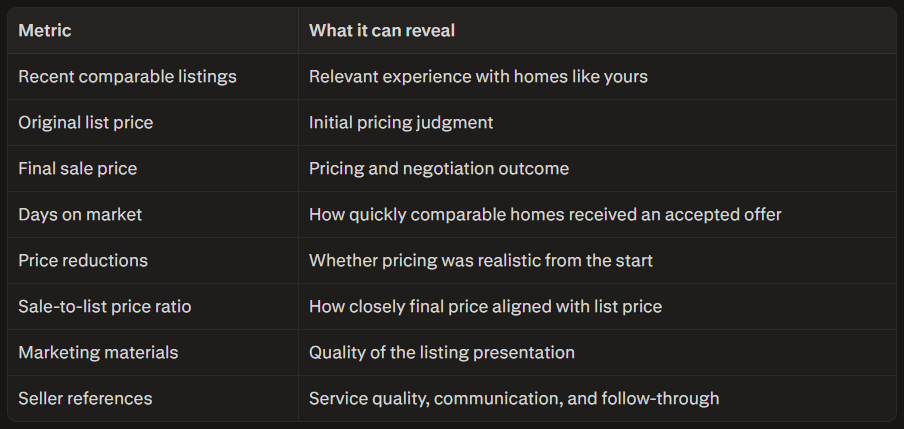
Remember that no single number tells the full story. A low days-on-market figure may result from excellent positioning—or from underpricing. Always compare the final price, property type, market conditions, and offer terms.
Step 8: Understand Fees and Terms
Real estate compensation is negotiable. Ask for a written explanation of every fee, service, and potential additional cost before signing a listing agreement.
Clarify:
- The listing-side commission or fee.
- Included marketing and transaction services.
- Extra costs for photography, videography, staging, advertising, or administrative support.
- Any buyer-broker compensation, seller credit, or concession you may choose to offer or negotiate.
- When compensation is earned and paid.
- Agreement length.
- Cancellation or termination provisions.
- How potential dual-agency situations would be handled.
- The services you can expect if the primary agent is unavailable.
Seller contributions toward a buyer agent’s compensation remain possible, but they are not mandatory and can be negotiated as part of the transaction. Offers of buyer-agent compensation cannot be communicated through the MLS; compensation and concessions should be addressed transparently in the relevant agreements and offer negotiations.
Do not hire based solely on the lowest fee. Compare the entire service package, including preparation, marketing, communication, negotiation, and transaction coordination. If you do not understand your listing agreement, consult a qualified California real estate attorney before signing.
Step 9: Use a Comparison Scorecard
Complete this after each interview:

The strongest choice is generally the agent who gives you a tailored strategy, provides evidence for their recommendations, communicates transparently, and makes you feel prepared—not pressured.
Frequently Asked Questions
How many real estate agents should I interview?
Interview at least two or three qualified agents. Use the same questions with each person, compare their pricing analysis and marketing proposals, check references, and take time to review all agreement terms.
Is the agent who recommends the highest list price the best choice?
Not necessarily. A strong price recommendation should be based on comparable sales, current competition, the property’s condition, and expected buyer response. An unrealistic price can lead to limited showing activity, longer market time, and later reductions.
How can I verify an agent’s track record?
Request recent comparable listings and ask to review original list price, final sale price, days on market, marketing materials, and seller references. Look for context, not just one performance number.
What should a listing agent’s marketing plan include?
Look for professional presentation, online visibility, buyer-agent outreach, preparation guidance, activity tracking, showing feedback, and a clear plan for responding if interest is weaker than expected.
How important is local experience?
Local experience is valuable because it helps an agent understand buyer expectations, competing listings, pricing patterns, neighborhood differences, and marketing opportunities. It should be relevant to your property type and price range, not simply based on broad countywide activity.
Bottom Line
To sell successfully in Santa Rosa, Petaluma, or Rohnert Park, choose a listing agent based on evidence, fit, and strategy. Define your goals, interview multiple candidates, review comparable sales and marketing plans, check references, and fully understand the listing agreement.
The right agent will combine local knowledge, honest pricing, strong presentation, dependable communication, and skilled negotiation to help you make informed decisions from preparation through closing.

Learn how to choose the best real estate agent in Petaluma or Novato. Compare local experience, reviews, strategy, communication, fees, and recent results before you hire.

Learn how to choose the right Sonoma and Marin County REALTOR® with this interview checklist for home buyers and sellers. Compare experience, strategy, communication, fees, and local expertise.

Learn how to choose the best real estate agent in Santa Rosa, CA. Compare local experience, client reviews, marketing strategy, communication, and recent results before you hire.
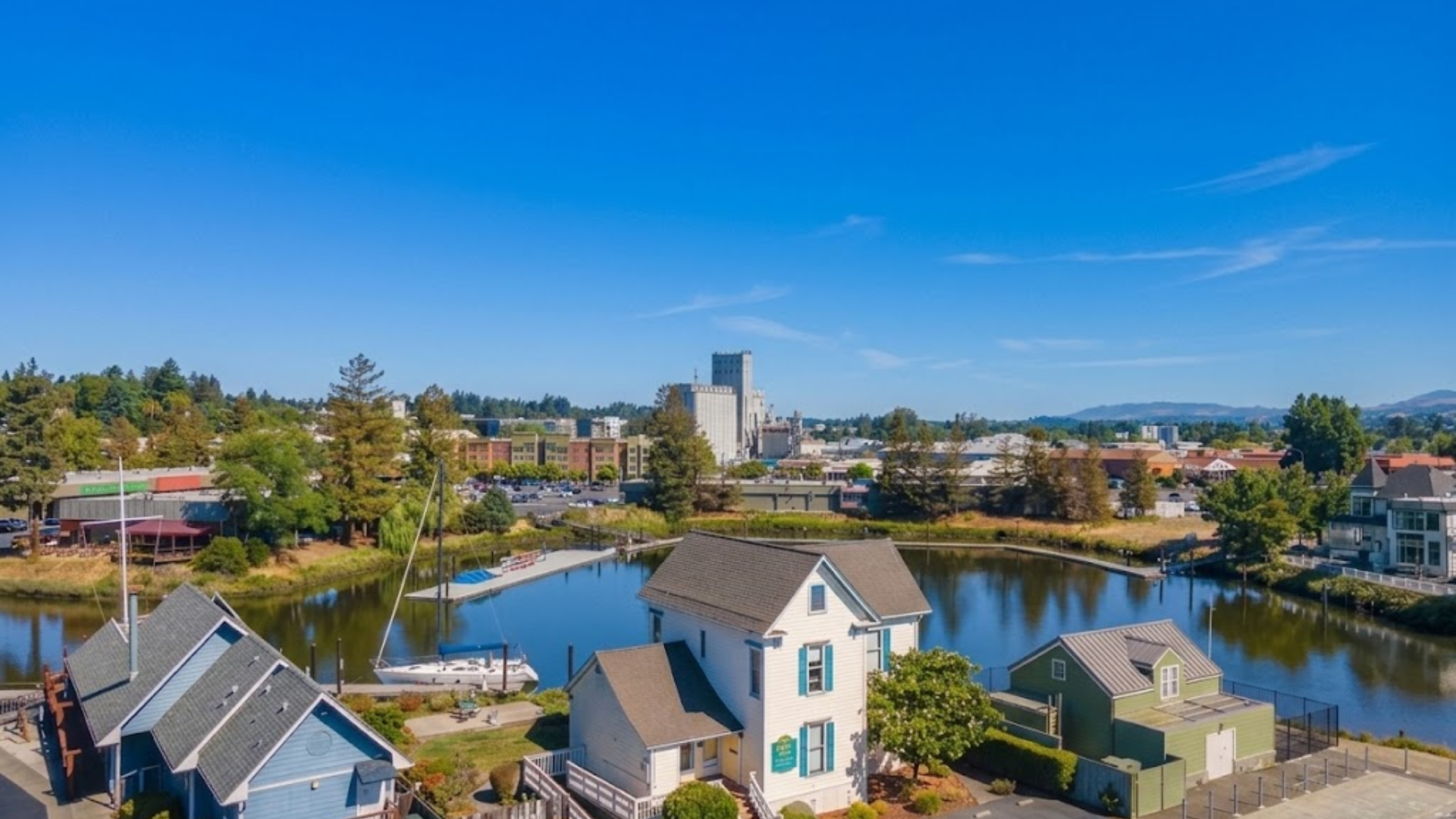
How can you effectively interview and hire the right listing agent in Petaluma, Rohnert Park and Novato?

How can you choose the best real estate agent in Santa Rosa, Petaluma, or Rohnert Park?

How do you choose the best real estate agent in Novato, Petaluma, Rohnert Park, or Santa Rosa for your next move?
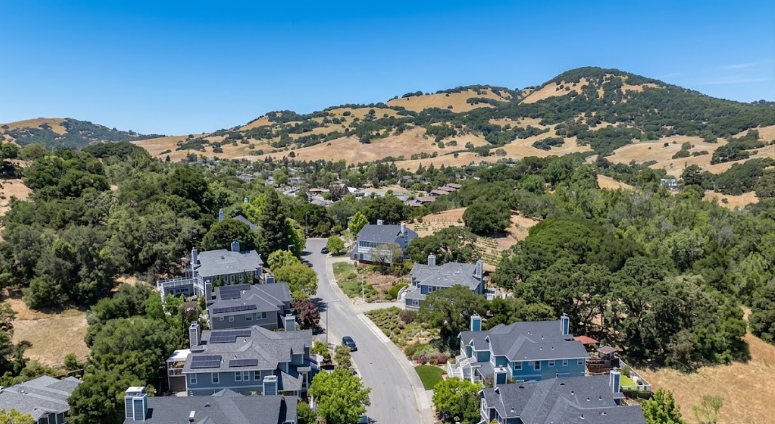
How can you find the best listing agents in Petaluma, Santa Rosa, and Novato?
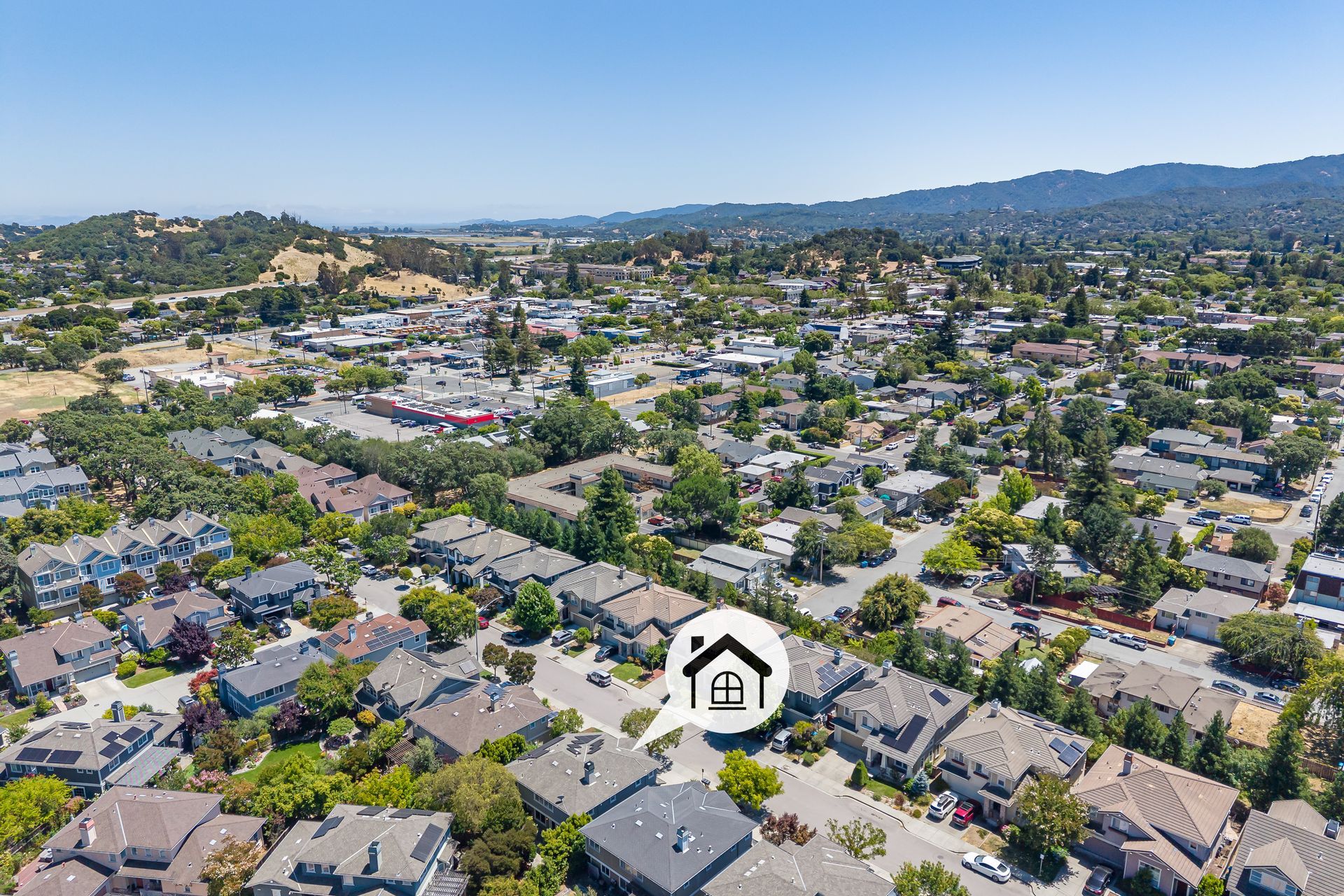
Are you ready to hire a listing agent but unsure what questions to ask?

What should you compare before hiring a listing agent in Sonoma County?

How to Choose the Best Real Estate Agent in Santa Rosa, CA