

(415) 717-7243
Buying a Home in Petaluma or Novato? Don't Overlook These 5 Important Checks
By Katia Bidaurreta | Realtor® – Compass | CA DRE #02152439

Finding a home you love is exciting. Maybe it's a property with beautiful hillside views in Novato, a charming neighborhood in Petaluma, or a backyard that finally gives you the outdoor space you've been looking for.
But while you're imagining furniture arrangements and weekend gatherings, there are a few important things worth checking before making a final decision.
One of them is homeowners insurance. Another is understanding how the property's location and condition could affect your responsibilities after moving in.
What should buyers check before purchasing a home in Petaluma or Novato?
Beyond the usual home inspection, buyers should review the property's wildfire hazard designation, explore insurance availability, examine fire-resistant features, understand local evacuation planning, and identify potential maintenance or safety improvements.
These steps can help you make a more informed decision about the home you're considering.
Why These Checks Matter in Petaluma and Novato
Sonoma and Marin Counties offer some wonderful places to call home. From established residential neighborhoods to properties surrounded by open space, the variety is part of what makes living here appealing.
However, California's changing insurance environment and ongoing wildfire preparedness efforts have made it increasingly important to understand the details of an individual property.
In 2026, Marin County introduced an updated Community Wildfire Protection Plan, outlining strategies to reduce wildfire exposure and improve community preparedness.
The plan identifies several priorities for Novato, including vegetation management, home hardening, early fire detection, and evacuation planning.
Meanwhile, Petaluma homeowners can consult California's updated Fire Hazard Severity Zone maps to understand the classifications affecting their properties.
These resources don't mean that every home in either city faces the same hazards.
They do mean that it's worth looking beyond the listing description to understand what you're buying.
1. Check the Property's Fire Hazard Severity Zone
One of the first things I encourage buyers to understand is the property's location in relation to California's Fire Hazard Severity Zones.
CAL FIRE classifies designated areas based on factors such as vegetation, terrain, weather patterns, and potential fire behavior.
The classifications include moderate, high, and very high hazard zones.
But here's something important: a fire hazard designation isn't the same as a prediction that a particular home will experience a wildfire.
It's a tool for understanding the area's potential fire conditions.
You can begin by reviewing the CAL FIRE Fire Hazard Severity Zone maps.
If you're purchasing in Novato, the Novato Fire Protection District also provides information about the updated local maps.
For Petaluma, buyers can review the state maps and confirm property-specific information with the appropriate local fire authority.
Knowing the designation early can help you ask better questions about the property, potential safety improvements, and insurance options.
2. Explore Homeowners Insurance Before You Commit
Here's a detail buyers sometimes leave until later in the transaction: finding out what insurance coverage is actually available for the property.
A home may look perfect during a showing, but insurance availability and coverage terms can vary significantly depending on the property and insurer.
The California Department of Insurance encourages homeowners to compare different insurance options rather than assuming one company or policy will meet every need.
Before moving too far into the purchase process, consider asking an insurance professional:
- Is the property eligible for a standard homeowners insurance policy?
- What types of coverage are included or excluded?
- What deductible would apply?
- Is additional information or an inspection required?
- Are there improvements that might help the home qualify for available coverage or discounts?
Don't assume the seller's current insurance policy will automatically be available to you.
Insurance underwriting decisions can depend on the company, the property, its condition, and other factors.
It's better to understand your options while you still have time to evaluate them.
You can explore the California Department of Insurance's residential insurance resources for information about shopping for coverage.
3. Look at the Home's Roof, Vents, and Landscaping
When touring a house, it's natural to focus on the kitchen, bathrooms, flooring, and overall layout.
But some of the less noticeable details can also be important.
For homes in wildfire-prone regions, fire-resistant construction features and the surrounding landscaping deserve attention.
The California Department of Insurance's Safer from Wildfires initiative highlights measures intended to help reduce wildfire vulnerabilities.
These include protecting vulnerable openings, maintaining roofs and gutters, and reducing combustible materials near the home.
During a property visit or inspection, consider reviewing:
- Roof condition: Is the roof in good condition? Are leaves or debris collecting in gutters or roof valleys?
- Exterior vents: Are there appropriately designed screens or ember-resistant features?
- Vegetation: Are trees, shrubs, and other plants maintained around the property?
- Nearby combustible materials: Are items such as firewood, dry vegetation, or stored materials positioned close to the building?
- Exterior improvements: Have previous owners completed documented wildfire-mitigation work?
A general home inspection may identify visible issues, but a qualified wildfire-mitigation professional can provide a more specialized assessment.
If you're buying in Novato, the Novato Fire Protection District's home-hardening and vegetation management program is a useful local resource.
The district offers property-specific assessments and information about potential mitigation assistance.
4. Understand the Neighborhood's Evacuation Planning
Location is about more than commuting distance, schools, or nearby restaurants.
It's also about understanding the neighborhood itself.
How do the roads connect? Are there multiple ways to leave the area? Where can you find official emergency information?
These are useful questions to ask before buying a home.
Both Sonoma and Marin Counties provide tools that allow residents to identify their evacuation zones.
For Petaluma: Visit Sonoma County's Know Your Zone resource to find local evacuation zone information.
For Novato: Visit Marin County's evacuation zone resource to look up the area associated with a particular address.
Knowing your zone is useful, but remember that evacuation directions depend on the specific emergency. Official instructions should always take priority over a route you planned in advance.
If you have children, pets, or family members who need additional assistance, it's worth thinking about those needs when evaluating a neighborhood.
For more tips on preparing your household, read my previous article, Emergency Preparedness: A Guide for Families and Pet Owners.
5. Review the Property's Long-Term Maintenance Needs
A home doesn't have to be brand new to be a great investment in your future.
But understanding its condition can help you plan for the responsibilities that come with ownership.
For example, a property with mature landscaping may require regular tree maintenance. An older roof might eventually need replacement. A hillside property could involve drainage or vegetation-management considerations.
Before purchasing, review the available inspection reports, seller disclosures, and any relevant property records.
Ask yourself:
- Are there repairs that should be addressed immediately?
- What improvements may be needed over the next few years?
- Are there ongoing vegetation-management obligations?
- Have previous improvements been documented?
- Do the property's condition and upkeep fit my long-term plans?
If a specialized issue comes up, consider bringing in the appropriate professional to evaluate it.
I also recommend reviewing my Home Buyer's Guide for a broader look at the California homebuying process.
What If You're Having Trouble Finding Homeowners Insurance?
Not every property will have the same insurance options.
If you're having difficulty finding coverage through the traditional insurance market, California has a program called the FAIR Plan.
The California FAIR Plan is intended to provide access to basic property insurance coverage when other options are unavailable.
However, it isn't a complete replacement for every type of protection offered by a traditional homeowners policy.
The California Department of Insurance explains that a separate Difference in Conditions policy may be needed to address certain coverage gaps.
Before relying on this option, speak with a licensed insurance professional who can explain the available policies and their limitations.
The goal is to understand your options and any remaining gaps before you make a final purchasing decision.
Does a Higher Fire Hazard Zone Mean You Shouldn't Buy the Home?
Not necessarily.
A fire hazard classification is one factor in evaluating a property, but it doesn't tell the entire story.
The home's construction, maintenance, surrounding vegetation, insurance availability, and your own comfort with ongoing responsibilities all matter.
Some buyers are comfortable taking on a property that needs additional improvements. Others would prefer a home with fewer maintenance considerations.
Neither approach is automatically right or wrong.
What's important is knowing what you're comfortable with before making a commitment.
Frequently Asked Questions
Do all homes in Petaluma and Novato have high wildfire exposure?
No. Hazard designations vary by location. The best approach is to look up the specific property using official CAL FIRE maps and consult the appropriate fire authority when needed.
Can wildfire safety improvements help with homeowners insurance?
Potentially. California has an insurance framework that recognizes specified wildfire-mitigation actions. Eligibility, required documentation, and the available savings depend on the insurer and circumstances. Ask your insurance professional about the options relevant to the property.
Should I get an insurance quote before removing contingencies?
It's sensible to investigate insurance availability early. Your purchase agreement determines the applicable contingency deadlines, so review the timing with your real estate agent and confirm coverage details with your insurance professional before making decisions.
Can I get help identifying wildfire vulnerabilities after buying a home?
Yes. For example, Novato Fire Protection District offers specialized property assessments that can identify opportunities for home hardening and vegetation management. Availability and program eligibility should be confirmed directly with the district.
Bottom Line
Buying a home should be exciting, but the best decisions are also informed ones.
A beautiful property in Petaluma or Novato may have everything you're looking for, from its layout and location to its outdoor space and neighborhood character.
Taking time to understand insurance options, property conditions, and local preparedness resources can help you see the bigger picture.
Thinking about buying a home in Petaluma or Novato?
I'd be happy to help you navigate the local real estate market, ask the right questions, and connect with qualified professionals as you evaluate your options.
Katia Bidaurreta | Realtor® – Compass
CA DRE #02152439
Phone: (415) 717-7243
Email:
katia.bidaurreta@compass.com
Website:
www.katiabidaurreta.com
Contact Katia

By Katia Bidaurreta | Realtor® – Compass

Should you sell or rent your home in Petaluma or Novato? Compare costs, landlord responsibilities, and local market considerations before deciding.

Buying in Petaluma or Novato? Learn how mortgage rate locks work, what to ask about fees and extensions, and how to coordinate your lock with closing.
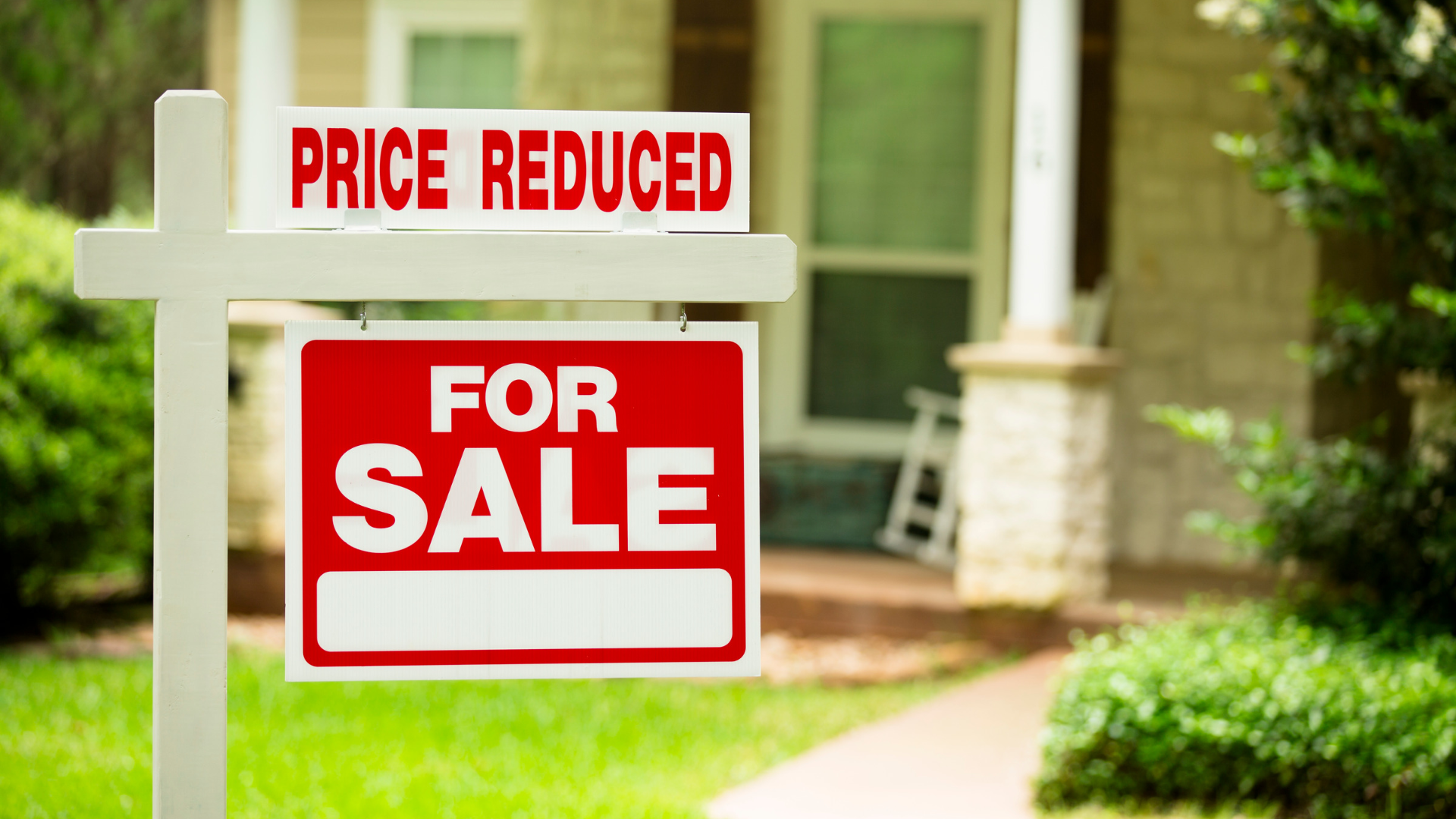
A price cut does not always mean a bargain. Learn how Petaluma and Novato buyers can compare value, condition, competing listings, and offer terms.
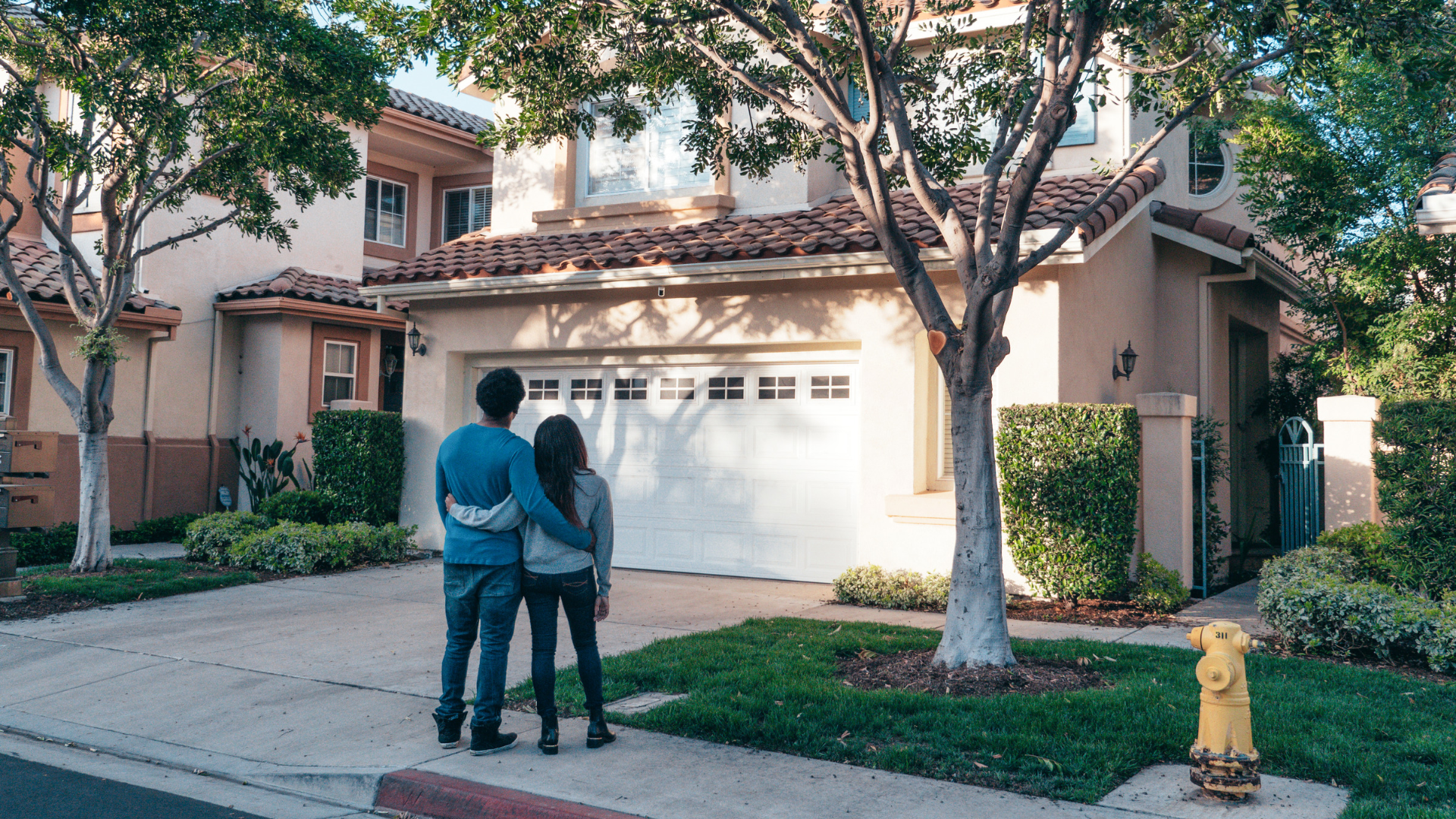
Buying in Petaluma or Novato? Budget for closing costs, insurance, taxes, inspections, utilities, and repairs, and compare available financing incentives.

Buying a home in Novato? Learn what happens after your offer is accepted, from escrow and inspections to financing, contingencies, and the final walk-through.

Buying a home in Petaluma? Plan for closing costs, insurance, taxes, inspections, utilities, and repairs—not just your down payment and mortgage.

What should you check when touring a home in Novato?

Can You Buy Your Next Petaluma Home Before Selling Your Current One?

Getting ready to sell your Novato home? Follow this practical timeline for repairs, staging, disclosures, pricing, photos, and showings before you list.