

(415) 717-7243
Beyond the Down Payment: What to Budget for When Buying a Home in Petaluma and Novato
What should you budget for when buying a home in Petaluma or Novato?
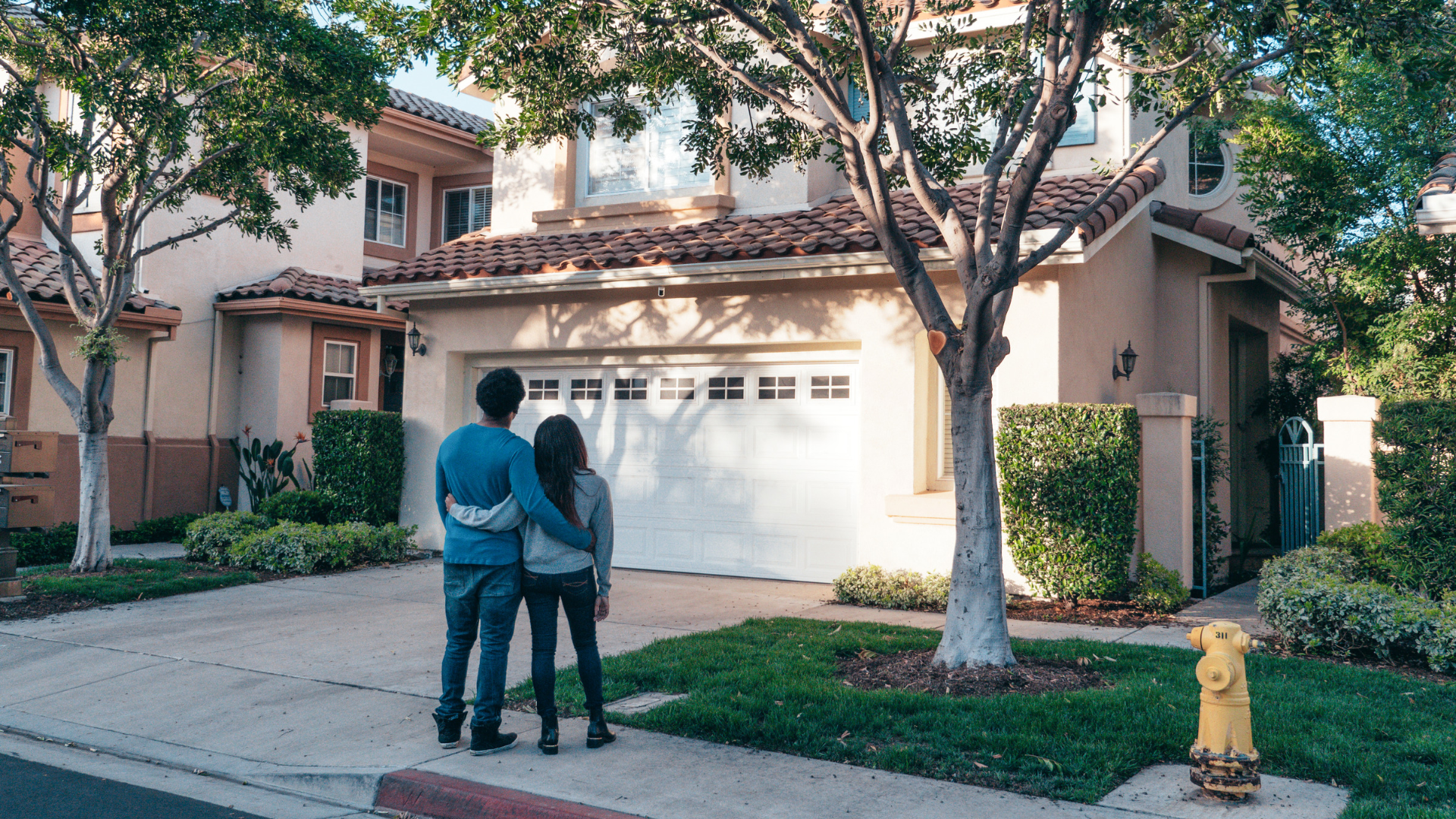
Plan for more than your down payment. Your budget should include closing costs, inspections, insurance, property taxes, utilities, maintenance, moving expenses, and any property-specific obligations. Understanding both the cash needed to complete the purchase and the expenses that follow can help you choose a home with greater confidence.
A home may fit your price range and still stretch your finances once the other costs are included. That does not mean you need to rule it out. It means you need a clearer picture before making a commitment.
Here is how I recommend organizing your budget when buying in Petaluma or Novato.
1. Separate Your Down Payment From Closing Costs
Your down payment is the portion of the purchase price you contribute rather than finance. Closing costs are the expenses associated with obtaining your loan and completing the property transfer.
Depending on your transaction, those costs may include:
- Loan origination, underwriting, or processing charges.
- An appraisal.
- Title and escrow services.
- Recording fees.
- Prepaid interest.
- Homeowners insurance premiums.
- Initial escrow-account deposits for taxes and insurance.
- Discount points, if you choose to pay them.
Your lender’s Loan Estimate itemizes estimated loan charges and other closing expenses. Review those figures rather than relying solely on a general percentage of the purchase price. The Consumer Financial Protection Bureau recommends requesting multiple Loan Estimates so you can compare offers.consumerfinance
Ask each lender which costs are required, which services you can shop for, and whether the quoted rate includes points.
My Buyer’s Guide can help you organize the purchase process before you begin comparing homes and financing.
2. Understand Your Cash to Close
Closing costs and cash to close are not the same thing.
Your estimated cash to close generally includes your down payment and closing costs, minus deposits already paid, applicable seller credits, and other adjustments. Your Loan Estimate shows how that amount is calculated.consumerfinance
Keep three categories separate:

For example, your earnest-money deposit is generally credited toward the transaction. Do not count it as an additional down payment expense and then count it again when reviewing your remaining cash to close. Ask your lender or escrow officer to explain any amount that is unclear.consumerfinance
3. Include Inspections and Follow-Up Evaluations
A tour helps you decide whether you like a home. Inspections and specialist evaluations help you understand its condition and potential costs.
Depending on the property and available reports, discuss whether you need:
- A general home inspection.
- A pest inspection.
- A sewer lateral inspection.
- A roof, electrical, plumbing, or structural evaluation.
- A pool inspection.
- Additional reviews recommended by an inspector or other qualified professional.
Ask for the cost and payment timing before scheduling. Some expenses may be incurred even if you ultimately decide not to purchase the property.
Use inspection findings to distinguish between immediate concerns, maintenance needs, and optional improvements. When a significant issue is identified, obtain an appropriate professional estimate rather than guessing what it will cost to address.
4. Review the Full Monthly Housing Expense
An online calculator may emphasize principal and interest. That is not necessarily your complete housing expense.
Your budget may also need to include:
- Property taxes.
- Homeowners insurance.
- Mortgage insurance, if applicable.
- HOA dues.
- Property-specific assessments or other obligations.
The Loan Estimate identifies projected payments and estimated taxes, insurance, and assessments. Some amounts may be included in your lender-managed escrow payment, while others must be paid separately. Check both.consumerfinance
Verify the property-tax estimate
Do not assume the seller’s existing tax bill will be your future tax bill. Ask your lender to explain the estimate being used and verify property-specific questions with the appropriate tax authority—Sonoma County for Petaluma and Marin County for Novato.
The CFPB specifically advises buyers to check whether the lender’s property-tax estimate is accurate rather than treating it as a final determination.consumerfinance
5. Obtain a Property-Specific Insurance Quote
An insurance estimate in a mortgage calculator is a starting point—not confirmation of available coverage or its cost.
Ask an insurance professional to review the specific property and explain:
- The annual premium.
- Deductibles.
- Coverage limits.
- Important exclusions.
- Whether additional policies are appropriate.
- Any property changes required by the insurer.
- When coverage needs to take effect.
The insurance company, not the lender, sets the premium. The CFPB recommends comparison shopping and checking whether the amount in your Loan Estimate reflects your actual situation. Insurance premiums may also need to be paid at or before closing.consumerfinance
Address insurance early enough to understand its effect on both your upfront funds and ongoing budget.
6. Check Utilities, Solar, and Recurring Expenses
Two homes with similar prices may have different operating costs.
Request available information about:
- Electricity and gas.
- Water and sewer.
- Garbage service.
- Landscaping.
- Pool service.
- HOA dues.
- Equipment maintenance.
- Solar payments or contractual obligations.
For utilities, a full year of bills provides more context than a single month. Ask whether the property was occupied throughout that period and whether the seller’s household usage resembles what you expect.
If the home has solar
Ask:
- Is the system owned, financed, leased, or under a power-purchase agreement?
- Are payments or transfer requirements involved?
- Which utility billing plan applies?
- Are a full year of bills and the latest applicable annual True-Up statement available?
- Does the home have a battery, and who owns or maintains it?
Use the seller’s information as a reference—not a promise of your future bill. Your usage, household size, equipment, and billing arrangements may differ.
7. Compare Financing Incentives Without Losing Sight of Total Cost
A lender credit or temporary payment reduction may help with a purchase, but it should be evaluated alongside the entire loan offer.
As a Compass agent, I also want buyers to know about the Compass–Rocket Mortgage partnership.
What the partnership currently offers
According to Compass’s published terms, clients financing with Rocket Mortgage may be eligible if they either purchase using a Compass or Compass partner agent, or buy a property where Compass is the listing brokerage. For qualifying retail loans within conforming loan limits, the advertised options are:
- A one-percentage-point interest-rate reduction for the first year of the loan; or
- A lender-paid credit equal to 0.75% of the loan amount, capped at $6,000.compass
The first-year reduction is temporary—not a permanent reduction for the life of the loan. Ask Rocket Mortgage to show the payment during the initial period and the payment afterward.
Compass lists different terms for certain other loan types, including jumbo, non-qualified mortgage, debt-service-coverage-ratio, interest-only, and bank-statement loans: a lender-paid credit of 0.25% of the loan amount, with no cap. The published offer cannot be combined with other discounts, may be modified or canceled, and is subject to additional restrictions and conditions. It is not a commitment to lend.compass
Compare the complete offer
You remain free to choose your lender. Before selecting financing, compare:
- Interest rate and APR.
- Points and lender charges.
- Credits and their permitted uses.
- Cash needed to close.
- Payments after any temporary reduction ends.
- Loan terms and rate-lock details.
A credit does not automatically make one loan less expensive than another. The CFPB recommends comparing Loan Estimates for the same kind of loan and reviewing both upfront charges and longer-term costs.consumerfinance
Ask Rocket Mortgage to confirm current eligibility and terms for your specific purchase. You can also review the published Compass–Rocket partnership details.
8. Plan for Moving and the First Year
After closing, you may still need funds for movers, storage, cleaning, appliances, window coverings, or immediate repairs.
Divide planned expenses into three groups:
Necessary soon
Work needed for safety, essential function, or an immediate household need.
Important but flexible
Projects that improve comfort or usability but do not need to happen immediately.
Optional
Cosmetic changes, furnishings, and improvements you can postpone.
This helps you avoid using all your savings on updates simply because you are excited to settle in. It also gives you a better basis for comparing a move-in-ready home with one that needs work.
Compare Homes Using the Same Budget
Before choosing between two properties, look beyond their asking prices.

If you are also selling a home to fund your purchase, review my Seller’s Guide. Coordinating the sale and purchase means understanding when your proceeds will be available—not just their estimated amount.
Frequently Asked Questions
Are closing costs included in my down payment?
No. They are separate categories. Your estimated cash to close combines the down payment, closing costs, deposits, credits, and other applicable adjustments.consumerfinance
Can a seller credit reduce the cash I need?
A negotiated seller credit may reduce eligible closing expenses, subject to the loan’s requirements. Ask your lender to confirm what is permitted and how it changes your cash to close. Seller credits appear in the Loan Estimate’s calculation.consumerfinance
Can every Compass buyer receive a $6,000 Rocket Mortgage credit?
No. The advertised conforming-loan credit is 0.75% of the loan amount, capped at $6,000—not a flat $6,000 benefit. Different terms apply to certain other loan types, and eligibility and restrictions must be confirmed directly with Rocket Mortgage.compass
How much savings should I keep after closing?
There is no single amount that suits every buyer. Consider the property’s condition, planned repairs, income stability, other obligations, and your comfort with unexpected expenses. Distinguish lender-required reserves from the savings you personally want to retain.
Bottom Line
A comfortable homebuying budget includes more than a down payment and an advertised mortgage payment. Understand your cash to close, full monthly expenses, near-term repairs, and the savings you will have after moving in.
A price cut does not always mean a bargain. Learn how Petaluma and Novato buyers can compare value, condition, competing listings, and offer terms.

Buying a home in Novato? Learn what happens after your offer is accepted, from escrow and inspections to financing, contingencies, and the final walk-through.

Buying a home in Petaluma? Plan for closing costs, insurance, taxes, inspections, utilities, and repairs—not just your down payment and mortgage.

What should you check when touring a home in Novato?

Can You Buy Your Next Petaluma Home Before Selling Your Current One?

Getting ready to sell your Novato home? Follow this practical timeline for repairs, staging, disclosures, pricing, photos, and showings before you list.

Compare real estate agents in Petaluma and Novato beyond star ratings. Learn how to assess reviews, sales results, local expertise, strategy, and fees.

Compare real estate agents in Petaluma and Novato with this buyer and seller guide. Evaluate local experience, marketing, negotiations, reviews, fees, and strategy.

Mortgage rates may change, but you can still influence your loan terms. Learn how credit, loan options, lender comparisons, and buyer incentives can affect your mortgage rate.

Use this step-by-step checklist to choose a Novato real estate agent. Compare local experience, strategy, communication, reviews, fees, and contracts before you buy or sell.