

(415) 717-7243
A Price Cut Doesn’t Always Mean a Bargain: What Petaluma and Novato Buyers Should Check
Is a home with a reduce asking price a good deal?
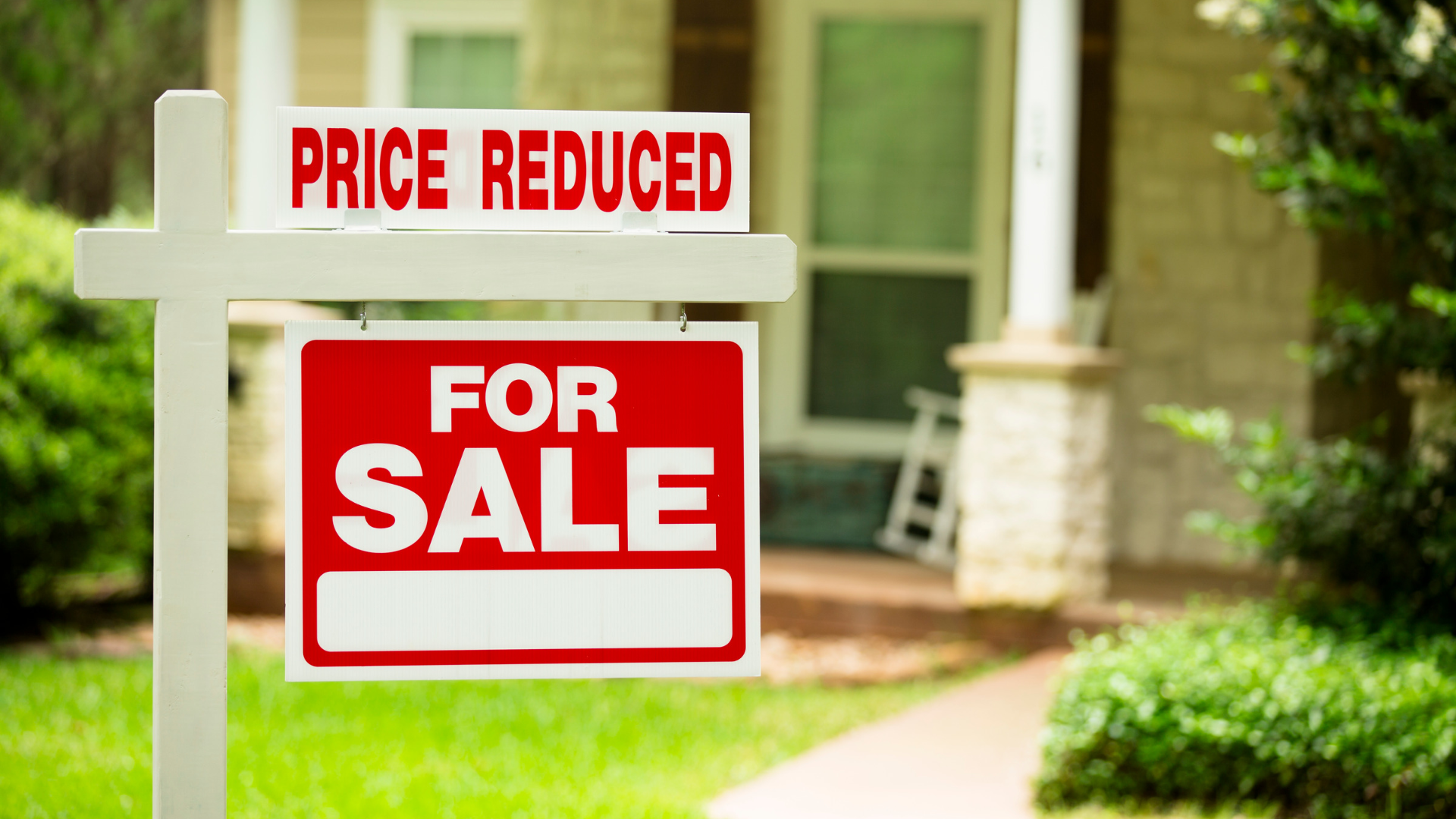
Not automatically. A price reduction tells you that the seller has changed the asking price—not that the home is now below market value. Before making an offer, compare the new price with relevant sales, current competing listings, property condition, and the terms of the potential purchase.
Price reductions are making headlines. In an October 20 update, the National Association of REALTORS® reported that nearly 21% of active listings nationally had price reductions in September, citing Realtor.com data. NAR also noted that higher mortgage rates were making some buyers hesitant even as inventory and seller flexibility increased.nar
That creates an important question for buyers in Petaluma and Novato: How do you recognize a real opportunity without being distracted by a “price reduced” notification?
Here is what I recommend checking.
1. Start With Today’s Price, Not Yesterday’s
A home reduced from a higher asking price may feel like a deal. But the original price may not have been supported by the market.
Instead of asking only, “How much did the seller reduce it?” ask:
- What are comparable homes actually selling for?
- How does this home’s condition compare?
- What other homes could I buy at this price?
- What features justify paying more—or suggest paying less?
The size of the reduction is part of the listing’s history. It is not a substitute for evaluating the home’s current value.
My article on what drives home prices provides additional context for understanding why pricing depends on the relationship between available homes and buyer demand.
2. Compare Homes Buyers Would Realistically Consider
A useful comparison is more specific than “homes nearby.”
For a Petaluma or Novato property, ask your agent to identify recent sales and active listings that are comparable in:
- Location and neighborhood setting.
- Property type.
- Size and layout.
- Lot characteristics.
- Condition and improvements.
- Parking and storage.
- Outdoor space.
- HOA obligations, if applicable.
Then look at the differences.
A renovated home may command a different price than a similar-sized property needing substantial work. A larger lot may be valuable to one buyer but less useful to another if its slope, access, or maintenance needs do not fit their plans.
The goal is to understand what you are receiving for the price—not simply to find the largest advertised discount.
3. Ask What May Have Limited Buyer Interest
A reduced price can reflect several circumstances. The home may have started too high, competing inventory may have changed, the seller’s timeline may have shifted, or buyers may be reacting to the property’s condition or features.
Do not assume you know the reason.
Ask your agent:
- What does the listing history show?
- Were there earlier price adjustments?
- Has the home previously gone under contract and returned to the market?
- Are disclosures and inspection reports available?
- What information can the listing agent share?
- Have other comparable homes sold while this one remained available?
Some questions may not have a complete answer. Separate documented information from assumptions about the seller’s motivation.
4. Look Closely at Condition
A lower asking price may leave more room in your budget for repairs—but only if you understand what those repairs involve.
During your initial review, distinguish among:

Do not rely on a quick walkthrough to determine repair costs. Review available reports and ask qualified professionals to evaluate concerns within their expertise.
If the seller has provided a pre-listing inspection, read it carefully and discuss whether you need further investigations. Katia’s article on pre-listing inspections explains why these reports can become part of the conversation.
A home can be reasonably priced and still be the wrong project for your budget or comfort level.
5. Evaluate the Terms, Not Just the Number
The asking price is one part of the transaction. Your offer may also involve financing, contingencies, closing timing, credits, included items, and possession arrangements.
Before choosing an offer strategy, discuss:
- Whether the price is supported by the available evidence.
- Which investigations you still need to complete.
- How the proposed payment fits your budget.
- Whether a credit toward eligible closing costs would be useful.
- What closing date you can realistically meet.
- Which contractual protections matter for your circumstances.
A reduced listing price does not guarantee further concessions. It also does not mean you need to abandon a careful evaluation to secure the home.
My article on the fading take-it-or-leave-it attitude offers background on discussing flexibility without assuming every seller will negotiate the same way.
6. Consider What the Price Cut Does—and Doesn’t—Change
A reduction can improve affordability, but it does not change every cost attached to the home.
Before making an offer, confirm your property-specific estimates for:
- Financing and cash to close.
- Taxes and insurance.
- HOA dues or other recurring obligations.
- Immediate repairs.
- Utilities and maintenance.
Also consider your personal fit. A lower price does not resolve an unsuitable layout, an inconvenient location, or a yard you cannot use the way you intended.
A simple question can help:
If I had never seen the original asking price, would I still consider this home a good fit at its current price?
If the answer is no, the discount may be doing more work than the property itself.
7. Put the National Headlines in Local Context
The recent national increase in price reductions is useful background, but it does not establish how much negotiating room exists for a specific Petaluma or Novato home. NAR’s October update describes a broader tension: more options and seller flexibility on one side, expensive financing on the other.nar
For your purchase, ask for a property-level analysis rather than assuming the national trend applies equally to every neighborhood and price range.
A well-positioned listing may still attract competition. Another may need a more substantial adjustment before its price reflects the available alternatives.
My Buyer’s Guide can help you organize the questions to ask before deciding which home to pursue.
A Price-Reduction Checklist
Before reacting to a reduced listing, work through these questions:
- Is the new asking price supported by comparable sales?
- What competing homes are available now?
- Does the property’s condition explain some of the difference?
- What disclosures, reports, or records still need review?
- What repair estimates should I obtain?
- Does the full ownership cost fit my budget?
- What offer terms make sense for my situation?
- Would I want this home without the price-reduction label?
Frequently Asked Questions
Does a price reduction mean the seller is desperate?
No. It shows that the asking price changed. The reason may involve pricing, competition, timing, or property-specific circumstances. Avoid treating an assumption about motivation as a fact.
Should I offer less than the reduced price?
That depends on the evidence. Review comparable sales, current competition, condition, and your proposed terms with your agent. The reduction alone does not tell you what to offer.
Is a home with multiple reductions a warning sign?
It is a reason to investigate, not automatically a reason to walk away. Review the listing history, disclosures, condition, and current price to understand whether the home now represents reasonable value.
Can a home sell above its reduced asking price?
It can. An asking price is a marketing decision, not a guaranteed final sale price. Evaluate current interest and comparable properties rather than assuming a reduction eliminates competition.
Bottom Line
A price cut can be an invitation to take another look. It is not proof of a bargain.
For Petaluma and Novato buyers, the stronger decision comes from comparing current value, condition, alternatives, ownership costs, and offer terms—not measuring savings against an old asking price.
If a reduced listing has caught your attention, contact me to discuss what to investigate before deciding whether it deserves an offer.
Buying in Petaluma or Novato? Budget for closing costs, insurance, taxes, inspections, utilities, and repairs, and compare available financing incentives.

Buying a home in Novato? Learn what happens after your offer is accepted, from escrow and inspections to financing, contingencies, and the final walk-through.

Buying a home in Petaluma? Plan for closing costs, insurance, taxes, inspections, utilities, and repairs—not just your down payment and mortgage.

What should you check when touring a home in Novato?

Can You Buy Your Next Petaluma Home Before Selling Your Current One?

Getting ready to sell your Novato home? Follow this practical timeline for repairs, staging, disclosures, pricing, photos, and showings before you list.

Compare real estate agents in Petaluma and Novato beyond star ratings. Learn how to assess reviews, sales results, local expertise, strategy, and fees.

Compare real estate agents in Petaluma and Novato with this buyer and seller guide. Evaluate local experience, marketing, negotiations, reviews, fees, and strategy.

Mortgage rates may change, but you can still influence your loan terms. Learn how credit, loan options, lender comparisons, and buyer incentives can affect your mortgage rate.

Use this step-by-step checklist to choose a Novato real estate agent. Compare local experience, strategy, communication, reviews, fees, and contracts before you buy or sell.