

(415) 717-7243
The “Silver Tsunami” Isn't What You Think. Here's What It Means for Home Sellers.
Imagine spending decades in a home.

Imagine spending decades in a home.
You've raised a family there, celebrated holidays, watched the neighborhood change, and created memories that make the property feel like much more than a place to live.
Eventually, life changes. The children move out. Retirement brings new priorities. Maybe maintaining a larger house starts to feel less appealing, or perhaps it's simply time for a different chapter.
Across the country, millions of homeowners are approaching these decisions.
And that has given rise to one of the more dramatic phrases in real estate lately: the “silver tsunami.”
It sounds like an enormous wave of homes is about to flood the housing market, potentially leaving sellers competing against a sudden surge of listings.
But the reality is more complicated—and considerably more gradual.
If you're thinking about selling your home, the silver tsunami isn't a reason to panic or postpone your plans. It's a long-term demographic shift, and what's happening in your own neighborhood matters far more than the headline.
What Is the Silver Tsunami?
The silver tsunami describes a potential increase in housing turnover as Baby Boomers and members of the Silent Generation age and transition out of their longtime homes.
Some homeowners will downsize. Others may move closer to family, choose a different living arrangement, or leave homeownership altogether.
These changes have always been part of the housing market.
What's different now is the size of the generation reaching these later stages of life.
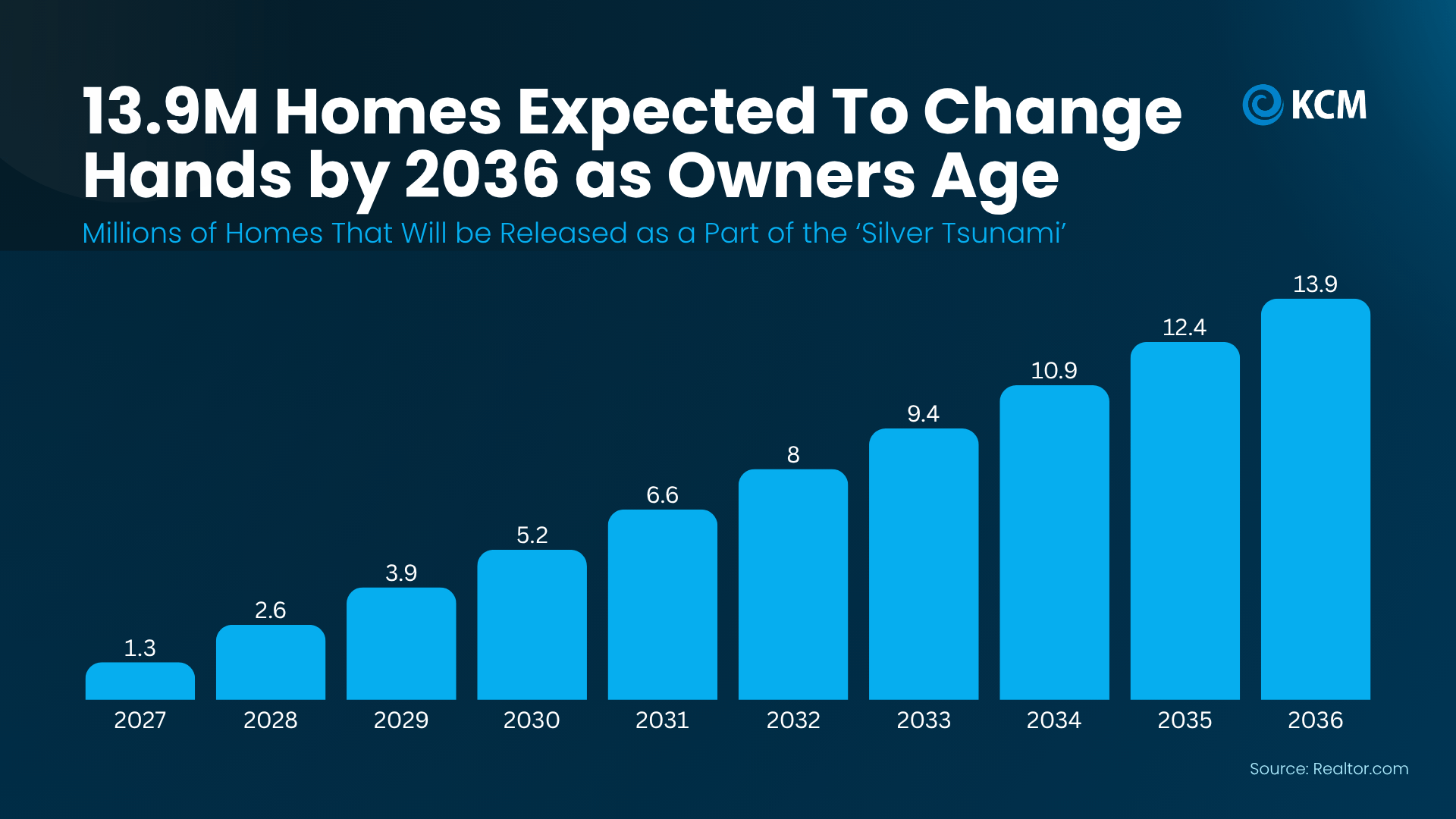
According to an October 2026 report from Realtor.com, approximately 13.9 million homes currently occupied by older homeowners are projected to be released from owner-occupancy between 2026 and 2036.
That's a substantial number, but it needs some context.
The report projects an average of approximately 1.39 million homes being released annually during the decade, with the yearly pace gradually increasing.
More importantly, these properties aren't expected to become available all at once.
There's another distinction worth understanding.
A home being released from older owner-occupancy doesn't necessarily mean it will immediately appear on the real estate market.
Some properties may be inherited by family members. Others may become rental properties or transition into different ownership arrangements.
So, while millions of homes may change occupancy or ownership circumstances over the next decade, that doesn't translate directly into millions of additional listings hitting the market.
And that makes a big difference when interpreting the forecast.
Why This Isn't One Giant Wave of Homes
The phrase silver tsunami suggests something sudden and overwhelming.
But demographic change doesn't work that way.
People don't all decide to sell their homes at the same age or for the same reasons.
Some homeowners remain in their properties well into their 80s or 90s. Others move earlier to simplify their lifestyle, relocate, or be closer to loved ones.
And plenty of longtime homeowners have no intention of moving anytime soon.
Realtor.com's research reflects that gradual transition.
The annual number of homes expected to leave older owner-occupancy rises over the forecast period rather than arriving in one dramatic surge.
The study also suggests that the effects will differ depending on the type of home.
Of the projected 13.9 million properties:
- 9.9 million are three- or four-bedroom family homes.
- 3.6 million have five or more bedrooms.
- Approximately 380,000 have two bedrooms or fewer.
That means the largest share of the projected transition involves family-sized and larger properties.
It also suggests that the effects won't be identical across every price range or housing category.
A modest two-bedroom home may face a very different competitive environment from a large property with several bedrooms and extensive outdoor space.
And the same is true geographically.
Some communities may experience more turnover than others. Some may continue to have strong buyer demand, while others could see additional supply influence competition and prices over time.
The lesson isn't that the housing market will remain unchanged.
It's that there's no single national outcome that applies equally to every home.
Why This Story Is Especially Relevant in Marin and Sonoma Counties
Here in the North Bay, longtime homeownership is an important part of many communities.
Walk through an established neighborhood in Novato or Petaluma, and you'll find homes with decades of history.
Some owners have lived in the same property for much of their adult lives. Others have inherited homes or moved within the region over time.
These decisions are particularly relevant in counties with substantial older populations.
According to the U.S. Census Bureau's QuickFacts data, residents aged 65 and older account for approximately:
- 25.7% of Marin County's population
- 24.2% of Sonoma County's population
Those figures tell us that older adults make up a significant portion of our communities.
They do not tell us how many homeowners will decide to sell, nor do they establish when those homes might become available.
In fact, one of the interesting conversations happening across Marin County involves the opposite trend: older homeowners choosing to remain in their houses longer.
For many residents, staying put makes sense.
They may love their neighborhood, have strong connections to the community, or find that their existing property still meets their needs.
Others might prefer a smaller home but discover that finding the right alternative isn't as straightforward as expected.
A home that feels too large may still be more appealing than the available options for moving.
That's why the silver tsunami is better understood as a collection of personal housing decisions rather than one massive, coordinated wave of sales.
And it's a reminder that real estate is about people and their changing needs—not just inventory numbers.
Will More Homes Coming Onto the Market Affect Prices?
Possibly, but not in the same way everywhere.
When more homes become available, buyers may have additional choices.
In some markets, that can create more competition among sellers. Buyers may compare properties more carefully, negotiate more actively, or take longer to decide.
However, additional supply doesn't automatically mean home prices will fall dramatically.
Realtor.com's research suggests that the generational transition could contribute to gradual price softness in certain housing categories and regions.
The potential effects are expected to be uneven, with family-sized and larger homes seeing more additional supply than smaller homes.
That distinction matters.
A national projection about housing turnover doesn't tell us what a particular home in Petaluma will be worth next spring.
It also doesn't tell us how many comparable homes will be competing with a property in Novato when its owner decides to list.
Those answers require local market information.
If you're selling, the relationship between your home's asking price, its condition, recent comparable sales, and the available competition will remain important.
I've discussed the importance of property-specific pricing in my earlier article, Why Pricing Your Home Right Matters More Than Ever.
The broader housing market may evolve over the coming decade, but sellers still need a strategy based on the conditions they're entering when they actually list.
For Longtime Homeowners, the Decision Is More Personal
There's another side to this conversation that often gets overlooked.
When people discuss the silver tsunami, they tend to focus on how many homes might become available.
But behind every property is someone deciding what comes next.
For a longtime homeowner, selling may involve more than choosing the right price.
It may mean leaving a neighborhood they've known for decades, sorting through years of possessions, or deciding whether to remain near family and friends.
It might mean considering a smaller property with fewer maintenance responsibilities.
Or it could mean realizing that the home they've owned for years still fits their lifestyle perfectly.
These aren't decisions that should be rushed because of a national real estate forecast.
If you're thinking about a move, understanding your home's current value is helpful. But so is considering what you want your next chapter to look like.
Would you prefer to stay in the same community?
Are you looking for a different layout or less outdoor maintenance?
Do you want more room for visiting family, or has your current space become more than you need?
And would selling now support your plans better than remaining where you are?
Your answers will be unique to your circumstances.
That's why I believe real estate guidance should start with listening rather than assuming everyone is ready to make the same move.
What Matters Most if You're Planning To Sell
If you're considering putting your home on the market, there's no need to base your timing on a prediction about what might happen nationally in 2036.
Instead, focus on the market that buyers are navigating today.
How does your property compare with other homes currently available?
What have similar properties sold for recently?
How much interest are buyers showing in your area?
And what preparation would help your home stand out without spending money unnecessarily?
These are the details that can shape a thoughtful selling strategy.
For example, a well-maintained home in an established Petaluma neighborhood may attract a different audience from a larger property in a hillside area of Novato.
Even within the same city, buyer preferences can vary depending on location, condition, layout, and price.
The goal isn't to predict exactly how an entire generation will move over the next decade.
It's to understand what makes your particular property appealing and how to position it for the buyers who are active now.
If you're beginning to explore a move, my Home Seller's Guide offers additional information about preparing, marketing, and selling a home in Sonoma and Marin Counties.
The Bottom Line
The silver tsunami makes for an attention-grabbing headline.
And the demographic shift behind it is real.
Millions of homes are expected to leave older owner-occupancy over the next decade, gradually changing the housing landscape.
But that doesn't mean the market is about to be overwhelmed overnight.
The timing, location, property type, and number of homes that actually become available for sale will all influence how the transition unfolds.
If you're considering selling, the most useful question isn't what millions of homeowners across the country might do over the next ten years. It's what makes sense for you and your home today.
Whether you've owned your property for decades or are simply beginning to think about your next move, I'd be happy to help you understand its value, explore the local market, and make a plan that fits your goals.
Because your next chapter deserves more consideration than a dramatic headline.
Katia Bidaurreta | Realtor® – Compass
CA DRE #02152439
Phone: (415) 717-7243
Email:
katia.bidaurreta@compass.com
Website:
www.katiabidaurreta.com
Contact Katia

Selling a home in Petaluma or Novato? Learn how mortgage payoffs, closing costs, and local transfer taxes affect your seller net proceeds.
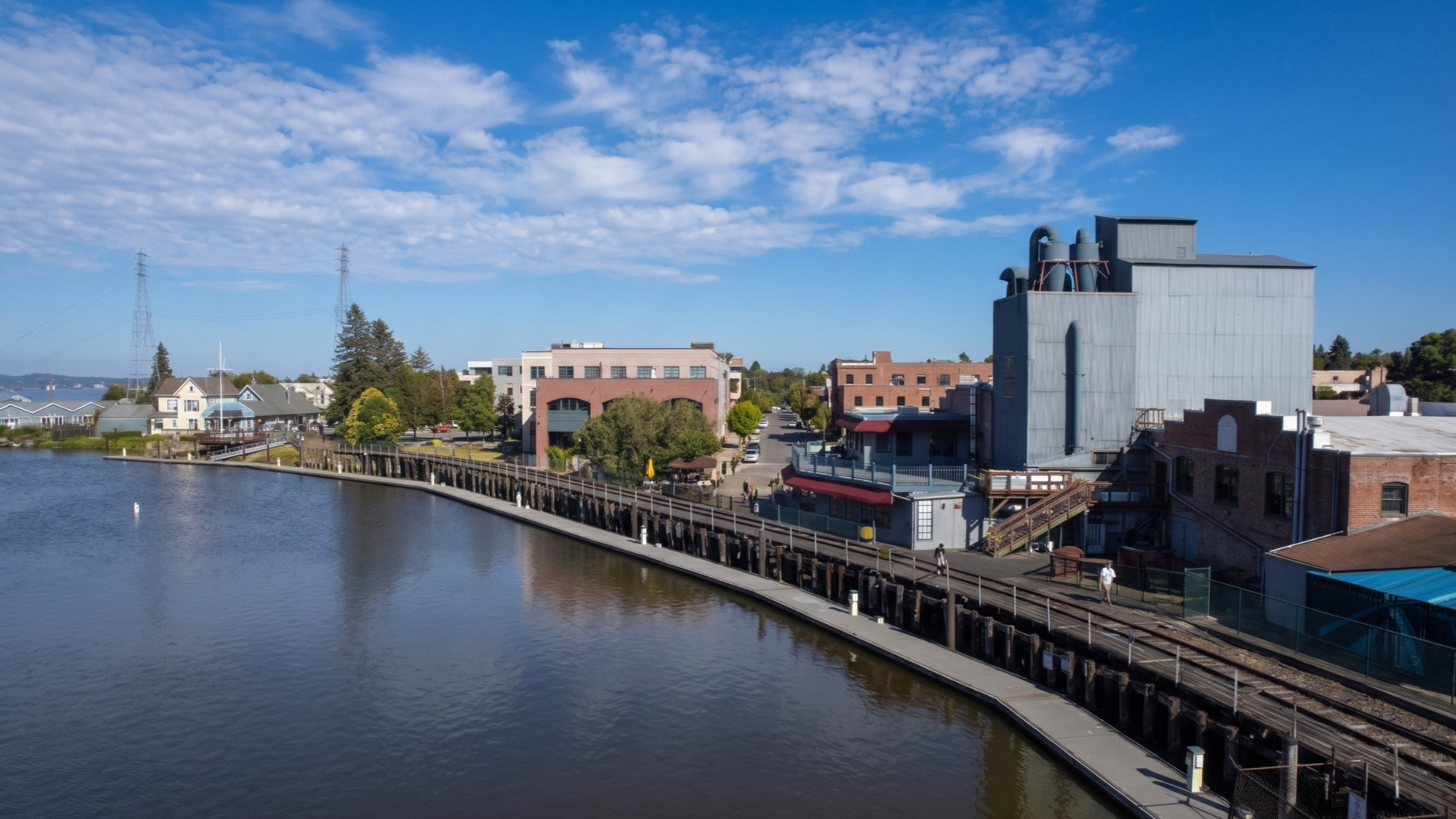
Petaluma's historic railroad trestle could become a public waterfront promenade. Explore the project's history, community progress, and future plans.

Think your credit score is too low to buy a home? Discover what's changed in 2026 and how to explore financing options in Petaluma and Novato.

A major design museum is planned for Novato's former Birkenstock campus. Discover its proposed transformation and surprising connection to Petaluma.
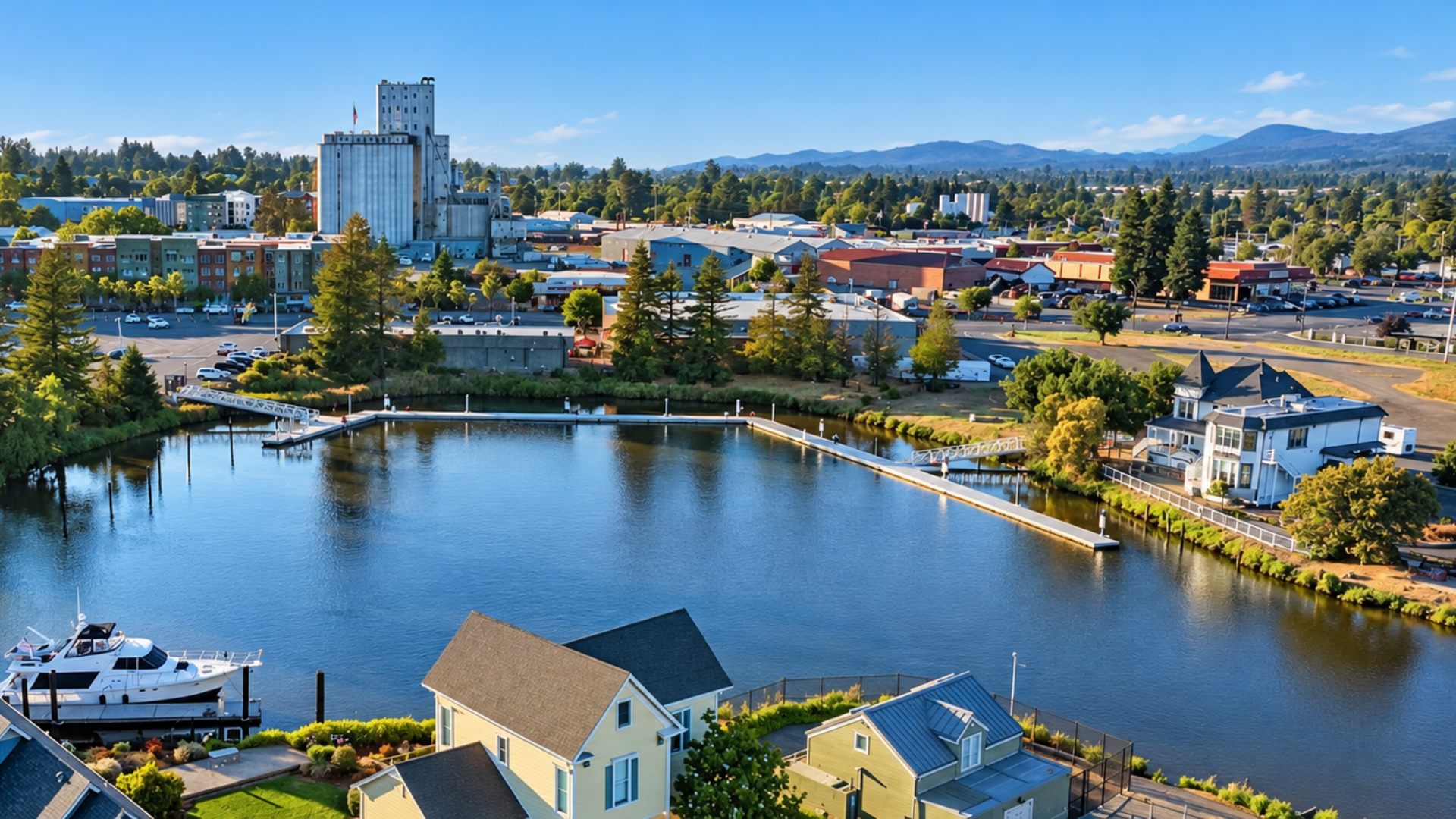
Petaluma's General Plan 2050 is now in effect. Explore what it means for future housing, neighborhoods, downtown, transportation, and local real estate.

By Katia Bidaurreta | Realtor® – Compass
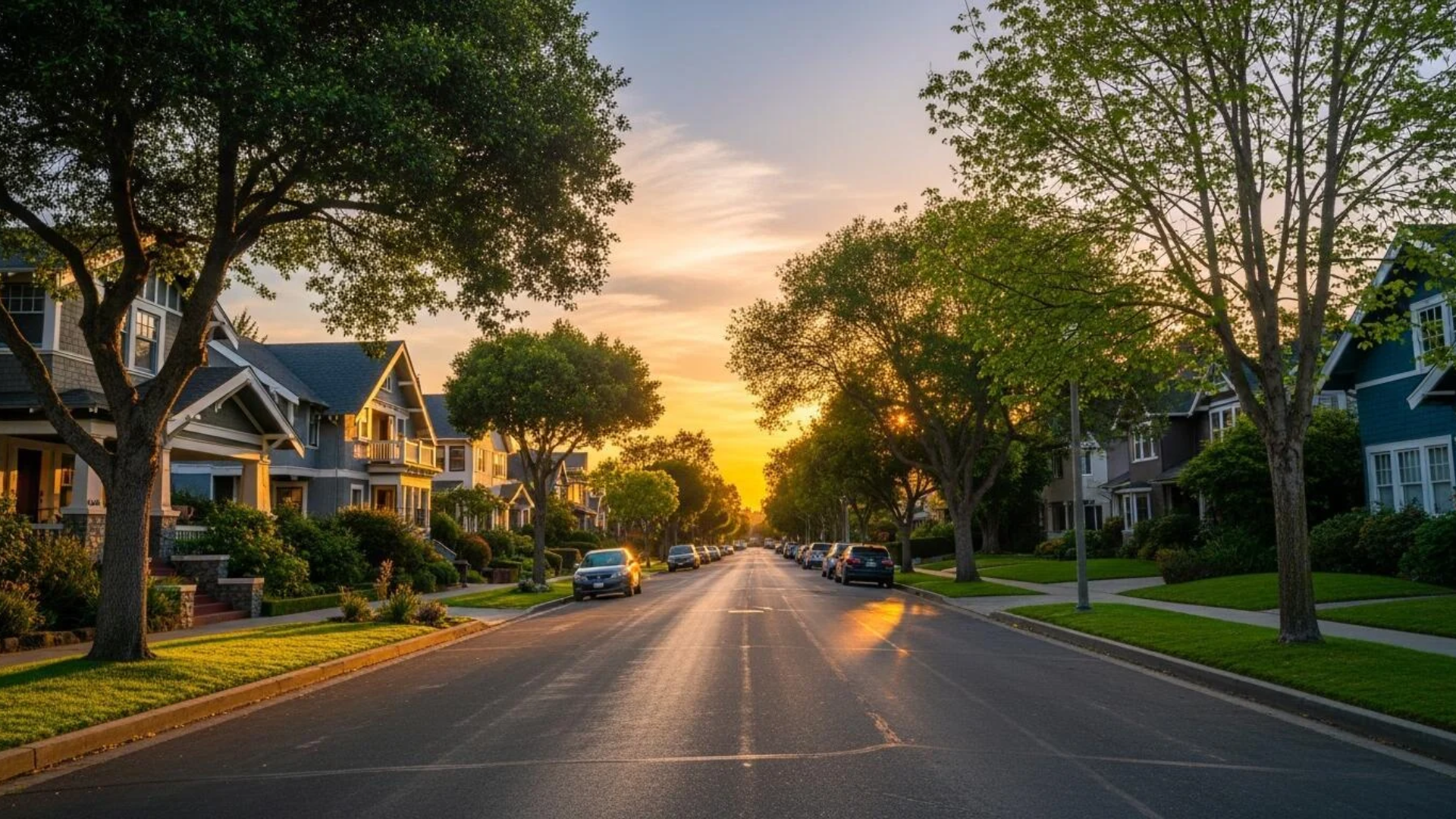
Buying a home in Petaluma or Novato? Discover 5 important checks covering insurance, wildfire hazards, home condition, and local preparedness.

Should you sell or rent your home in Petaluma or Novato? Compare costs, landlord responsibilities, and local market considerations before deciding.

Buying in Petaluma or Novato? Learn how mortgage rate locks work, what to ask about fees and extensions, and how to coordinate your lock with closing.

A price cut does not always mean a bargain. Learn how Petaluma and Novato buyers can compare value, condition, competing listings, and offer terms.