
(415) 717-7243
A Forgotten Piece of Petaluma's Waterfront Could Become Something Special
There's a piece of Petaluma history sitting right along the river that thousands of people have probably passed without giving it much thought.
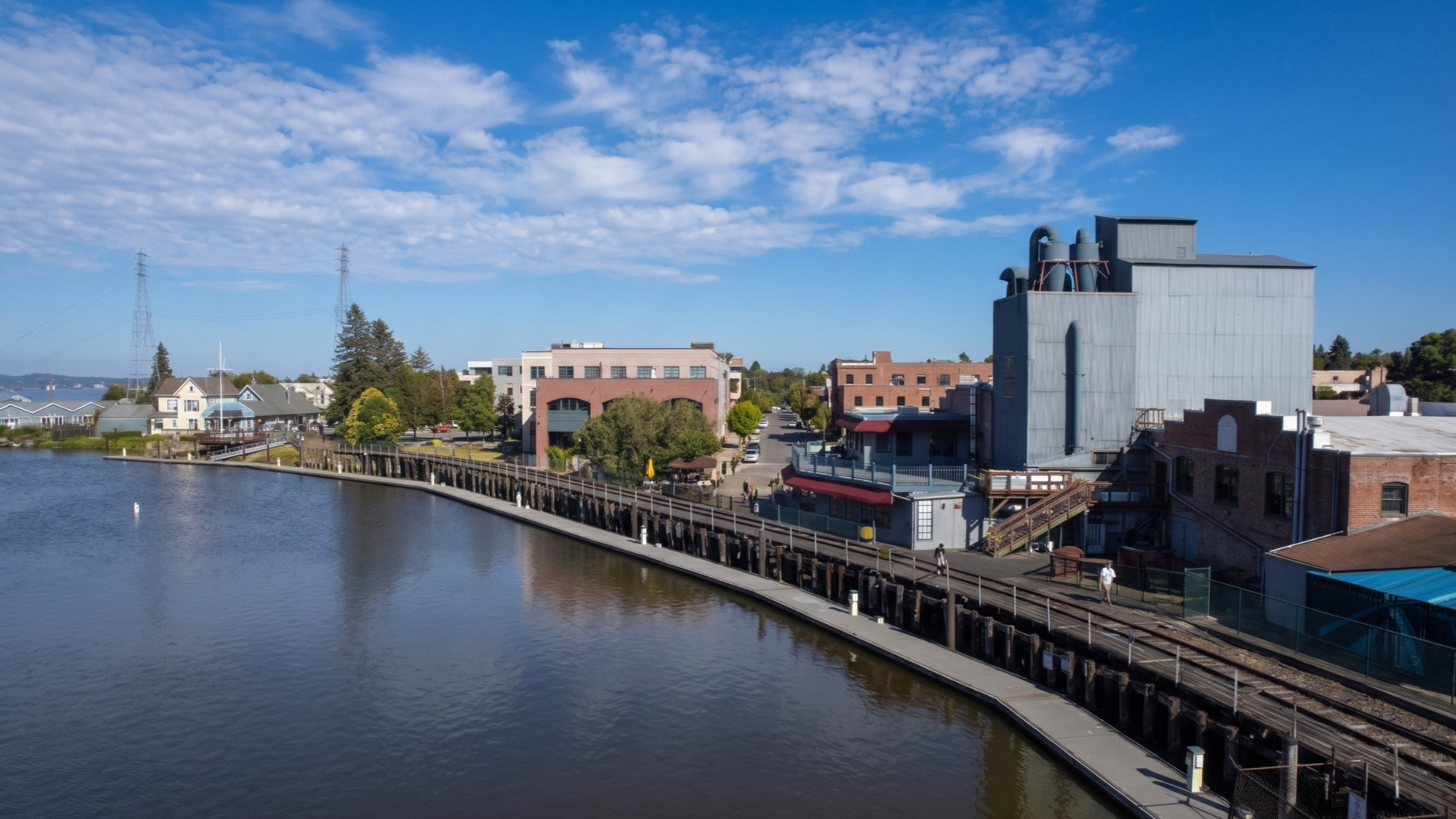
It's old, weathered, and no longer serving the purpose it was built for.
But more than a century ago, this stretch of railroad track helped connect Petaluma's agricultural businesses with markets far beyond Sonoma County.
Today, the historic waterfront trestle is the subject of an ambitious community effort.
Local residents, business leaders, preservation advocates, and city officials are working toward a shared goal: transforming the aging railroad structure into a public promenade where people could walk, gather, and enjoy the Petaluma River.
And after years of discussion, the effort has reached an important milestone.
A community fundraising campaign has secured more than $50,000, matched by the City of Petaluma, to help advance planning for the proposed waterfront transformation.
The project isn't ready for construction, but its next chapter is finally taking shape.
The Railroad That Helped Build Petaluma
To understand why this project matters, it helps to go back to a time when the Petaluma River was central to the city's economy.
In the early 1900s, Petaluma was an important agricultural and shipping center.
The surrounding region produced poultry, eggs, dairy products, and other goods that needed to reach markets throughout the Bay Area.
The Petaluma and Santa Rosa Railroad connected local agricultural businesses with the riverfront, where freight could continue its journey by water.
Built in 1922, the approximately 500-foot railroad trestle became part of that transportation network.
At the time, the riverfront was a working landscape.
Freight trains, warehouses, riverboats, and industrial businesses were part of everyday life. The trestle helped move goods through the city during an era when Petaluma was widely known as the "Egg Basket of the World."
Today, downtown Petaluma looks quite different.
Historic commercial buildings now house restaurants, boutiques, cafés, and gathering places. The riverfront draws people looking for a relaxing walk, a waterfront meal, or an afternoon exploring downtown.
Yet the old trestle remains—a reminder of the city's industrial past.
Its history is one reason the community has continued to discuss preserving and reusing it rather than simply allowing it to disappear.
From an Aging Railroad Structure to a Public Gathering Place
The trestle has not carried freight for decades.
Over time, its condition deteriorated, and public access became increasingly restricted.
For years, residents and local organizations have discussed the possibility of giving it a new purpose.
One idea has remained particularly appealing: turning the former railroad structure into a pedestrian-friendly promenade along the Petaluma River.
Imagine a place where visitors could stroll beside the water, enjoy views of the Turning Basin, learn about the city's railroad history, and connect with nearby downtown businesses.
The project could also create opportunities for landscaping, seating, public gathering spaces, and improved access to the waterfront.
Those possibilities are central to the vision promoted by the volunteer organization Trestle Promenade Now.
The group isn't proposing to erase the site's history.
Instead, its goal is to preserve the character of the trestle while exploring how the space might serve the community in a new way.
It's an interesting example of adaptive reuse—the process of giving an existing structure a new function rather than replacing it entirely.
And it's a concept that feels particularly appropriate for Petaluma, where historic character is an important part of the city's identity.
A Community Effort Gains New Momentum in 2026
Although ideas for improving the trestle have circulated for years, 2026 has brought renewed attention to the project.
In May, a volunteer steering committee launched Trestle Promenade Now, bringing together community advocates committed to moving the effort forward.
The committee includes local leaders and residents interested in historic preservation, public spaces, and the future of the downtown waterfront.
The group began fundraising to support a professional community visioning process.
By September, supporters had raised more than $50,000, enough to unlock a matching contribution from the City of Petaluma.
That brought approximately $100,000 together to support the next phase of planning.
At its September 28 meeting, the Petaluma City Council received an update on the progress.
City staff outlined plans to work with MIG, a planning and design firm, to lead a series of community workshops.
The idea is to invite residents into the conversation before a final design is selected.
Rather than simply presenting one finished concept, the process is intended to explore different possibilities and their tradeoffs.
What should the space feel like?
How can the city preserve its historic character?
What would make the waterfront more accessible and welcoming?
And how can the project be designed in a way that is realistic to build and maintain?
These are the kinds of questions the community visioning process is meant to address.
According to the September council presentation, the planning process is expected to include three public workshops between fall 2026 and spring 2027, with a community vision report anticipated in summer 2027.
The workshop schedule should be confirmed through official project updates.
Why the Petaluma River Deserves More Attention
When people talk about what makes Petaluma special, downtown is often part of the conversation.
There's the architecture, the independent shops, the restaurants, and the feeling of walking through a city that has managed to preserve much of its historic identity.
But the river is just as important to that story.
Long before Petaluma became known for its boutiques and restaurants, the river was a major reason the city developed where it did.
It connected local businesses and agricultural producers to a broader transportation network.
Today, the river plays a different role.
It's part of the city's cultural identity, recreational landscape, and natural environment.
The proposed trestle promenade would provide another opportunity to connect residents and visitors with that history.
It could also help create a more continuous waterfront experience, encouraging people to spend time near the Turning Basin rather than simply passing through downtown.
That kind of public space can contribute to the everyday experience of living in a community.
Not because every city needs another attraction, but because welcoming places to walk, gather, and enjoy the outdoors can become an important part of neighborhood life.
There's Still a Long Road Ahead
It's important to distinguish between the project's vision and what has actually been approved.
As of November 2026, the Petaluma trestle promenade remains a proposed redevelopment project, not a completed or fully funded public attraction.
The fundraising milestone supports community planning, but it does not pay for the entire reconstruction.
The city and project advocates still need to address several major challenges, including the structure's design, ownership questions, environmental permitting, engineering requirements, and construction financing.
The city has already invested resources in studying the trestle and evaluating different approaches.
However, the eventual construction budget and funding package will depend on the design selected and the work required.
That means the future promenade could look different from early sketches or promotional concepts.
And there is no confirmed public opening date.
For residents following the project, the next meaningful development will be the community visioning process and the resulting recommendations.
You can follow updates through the Trestle Promenade Now project website and the City of Petaluma's Historic Trestle Reconstruction resources.
What Community Projects Like This Mean for Local Real Estate
When someone asks me about living in Petaluma, I think it's important to look beyond the number of bedrooms or the size of a backyard.
A home is part of a larger community.
And the character of that community is influenced by its history, local businesses, public spaces, and the decisions residents make about its future.
That's what makes the trestle project interesting from a real estate perspective.
It's not simply about repairing an old structure.
It's about how Petaluma chooses to use one of its historic waterfront spaces in the years ahead.
For people who already live downtown, improvements to public access and gathering spaces could eventually change how they experience the surrounding area.
For those considering a move to Petaluma, projects like this offer another glimpse into the city's character and the priorities shaping its future.
Of course, a proposed promenade doesn't automatically increase nearby home values or guarantee that a particular neighborhood will become more desirable.
Real estate values depend on property-specific characteristics, market conditions, and many other factors.
But understanding what's happening around a neighborhood can help buyers and homeowners develop a more complete picture of the community.
And that's something I believe matters when making long-term real estate decisions.
Petaluma's Next Chapter Is Still Being Written
What I find especially interesting about the trestle effort is that it reflects something Petaluma has done for generations.
The city continues to evolve while maintaining a strong connection to its past.
Former industrial buildings have found new uses. Historic neighborhoods remain part of the community's identity. And conversations about the future of downtown continue to involve the people who live and work here.
The proposed waterfront promenade is another chapter in that story.
It may take years before residents can walk along a completed trestle promenade, and important decisions are still ahead.
But the renewed momentum behind the project is a reminder that a community's future isn't shaped only by brand-new development.
Sometimes, it begins by looking at something old and imagining what it could become.
And in Petaluma, that something happens to be sitting right beside the river.
There's Always More to Discover About Where We Live
Whether you're already part of the Petaluma community or thinking about moving here, I believe understanding the neighborhoods, history, and local developments is an important part of feeling connected to a place.
I enjoy sharing stories about what makes Sonoma and Marin Counties unique, from historic landmarks to the changes shaping our communities.
You can explore more local stories and real estate insights on my blog.
And if you're thinking about buying or selling a home in Petaluma, Novato, or the surrounding area, I'd love to help you explore your options.
Katia Bidaurreta | Realtor® – Compass
CA DRE #02152439
Phone: (415) 717-7243
Email:
katia.bidaurreta@compass.com
Website:
www.katiabidaurreta.com
Contact Katia
Selling a home in Petaluma or Novato? Learn how mortgage payoffs, closing costs, and local transfer taxes affect your seller net proceeds.

Will the silver tsunami flood the housing market? Discover what 13.9 million projected home transitions mean for sellers and future home inventory.

Think your credit score is too low to buy a home? Discover what's changed in 2026 and how to explore financing options in Petaluma and Novato.
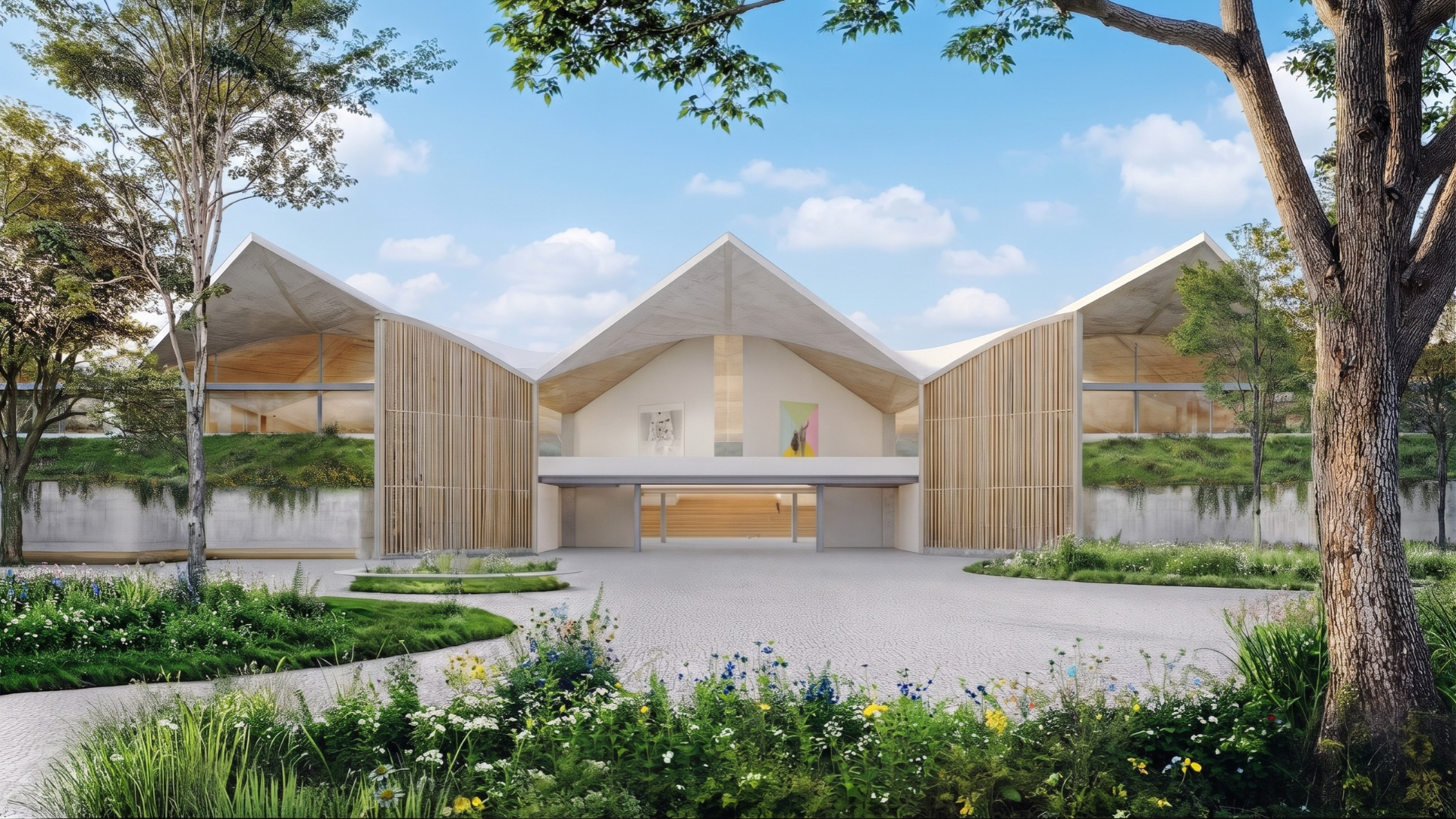
A major design museum is planned for Novato's former Birkenstock campus. Discover its proposed transformation and surprising connection to Petaluma.
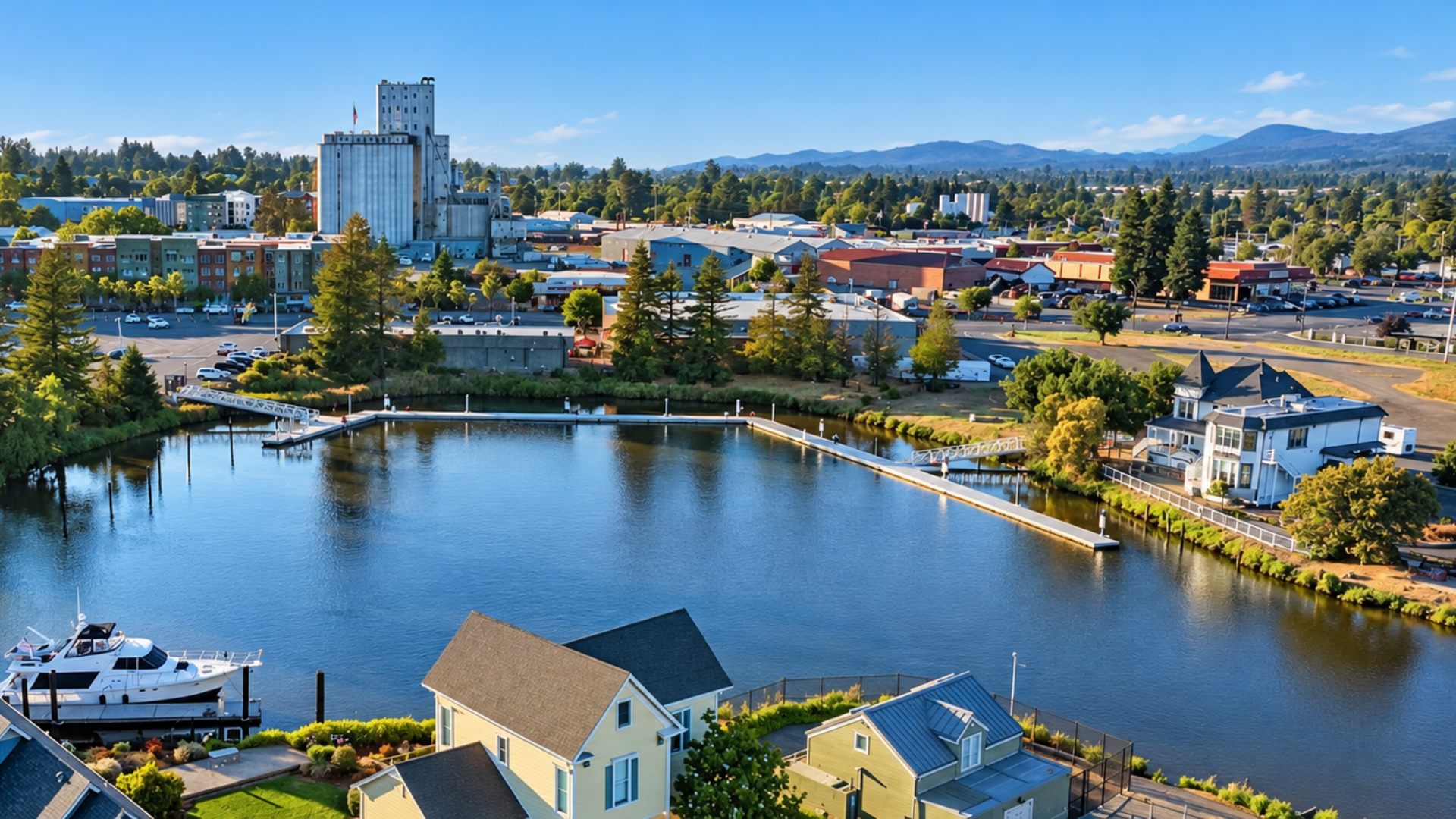
Petaluma's General Plan 2050 is now in effect. Explore what it means for future housing, neighborhoods, downtown, transportation, and local real estate.

By Katia Bidaurreta | Realtor® – Compass
Buying a home in Petaluma or Novato? Discover 5 important checks covering insurance, wildfire hazards, home condition, and local preparedness.
Should you sell or rent your home in Petaluma or Novato? Compare costs, landlord responsibilities, and local market considerations before deciding.

Buying in Petaluma or Novato? Learn how mortgage rate locks work, what to ask about fees and extensions, and how to coordinate your lock with closing.
A price cut does not always mean a bargain. Learn how Petaluma and Novato buyers can compare value, condition, competing listings, and offer terms.