

(415) 717-7243
Can You Sell Your California Home Without Being There?
Can You Sell Your California Home Without Being There?

You've moved on to a new chapter.
Maybe your job took you to another state. Perhaps you relocated to be closer to family, or you kept your former home because you weren't ready to sell it.
Now, months or even years later, you're thinking about selling that property.
There's just one complication.
You don't live there anymore.
How do you prepare a house for sale when you're hundreds of miles away? Who handles showings, repairs, inspections, and paperwork? And do you have to return to California for closing?
These are understandable questions, especially when you're selling a property in a community you no longer visit regularly.
The good news is that you can often sell a home in Petaluma, Novato, or elsewhere in California without being physically present for every step of the transaction.
But a successful long-distance sale requires more than signing documents online. It requires a clear plan, reliable local coordination, and an understanding of which responsibilities remain yours as the property owner.
Selling From Out of State Is Possible. The Details Matter.
Let's say you previously lived in Petaluma but now call Oregon home.
Your former property is still in Sonoma County. You know the neighborhood well, but you haven't visited in months.
Or perhaps you own a home in Novato and have already relocated to Arizona.
The property may be vacant, occupied by a tenant, or temporarily maintained by family members.
In either situation, you don't necessarily have to travel back to California every time something needs attention.
Many parts of a real estate transaction can be coordinated through phone calls, video meetings, electronic documents, and local service providers.
However, not every situation is equally straightforward.
The condition of the home, ownership arrangements, occupancy status, required documents, and your availability can all influence how the sale should be managed.
That's why I believe the first conversation shouldn't simply be about choosing a listing price.
It should be about understanding the entire situation.
Where are you now, what condition is the property in, and what needs to happen before it's ready for buyers?
Those answers shape the selling strategy.
Who Takes Care of the House When You're Not There?
One of the biggest challenges of selling remotely is making decisions about a property you can't easily visit.
Imagine a buyer's inspection identifies a plumbing concern.
Or the photographer arrives and discovers that a room hasn't been cleared as expected.
Maybe a contractor needs access to the property, or the landscaping requires attention before an open house.
When you're nearby, those problems may be inconvenient.
When you're living in another state, they can feel much more complicated.
This is where having a local listing agent becomes particularly important.
A real estate professional can help coordinate access, communicate with authorized vendors, arrange showings, relay inspection findings, and keep you informed about decisions that need your attention.
For example, if your Petaluma home needs minor improvements before listing, your agent can help identify which issues deserve professional evaluation and discuss how those improvements may affect your marketing strategy.
If you're selling a Novato property that's been vacant for several months, it may be worth evaluating its condition before scheduling professional photography.
The point isn't to renovate everything.
It's to create a plan that fits the property's condition, your timeline, and your budget.
And you should remain involved in approving expenses and important decisions.
A listing agent can help coordinate the process, but that doesn't mean contractors should begin work or financial commitments should be made without your authorization.
For more on preparation, you can explore my earlier article, Before You List: A Practical Home-Selling Timeline for Novato.
What If the Property Is Vacant?
A vacant house can offer flexibility for photography and buyer showings.
But it also creates responsibilities that are easy to overlook when you're not living nearby.
You'll want to understand who is monitoring the property, how vendors will gain access, and whether basic services need to remain active.
For example, certain utilities may be needed for inspections, cleaning, or normal property operation.
Landscaping may require ongoing maintenance even if nobody is living there.
And if a property will remain vacant for an extended period, it's worth speaking with your insurance professional about whether your existing policy provides the appropriate coverage.
A property that's been empty for months may also benefit from a professional inspection before listing.
This can help you identify maintenance concerns before they become points of negotiation with a buyer.
In my earlier article, Why a Pre-Listing Inspection May Be Worth It in Today's Market, I explain how learning about potential property issues early can help sellers prepare.
Not every home needs a pre-listing inspection, but it's an option worth discussing when the owner hasn't been living there.
Pricing a Home From Hundreds of Miles Away
It's tempting to begin with an online home-value estimate.
After all, you may know what you paid for the property and have a general idea of how much homes in the neighborhood have appreciated.
But a reliable listing strategy requires more than a computer-generated number.
A home in Petaluma's historic west side isn't necessarily comparable to a newer property in another part of the city.
Similarly, a Novato condominium may appeal to a different group of buyers than a detached home with a large yard.
Even within the same neighborhood, condition, floor plan, location, and recent improvements can make a difference.
When I'm helping a homeowner evaluate a potential sale, I believe the most useful starting point is understanding how buyers are likely to compare that specific property with the alternatives available to them.
That involves reviewing relevant recent sales, current competing listings, and the condition of the home.
For a seller who lives elsewhere, a thoughtful pricing conversation is especially valuable because it can reduce the need to make major decisions based on incomplete information.
And there's another number worth considering before you list.
Your estimated seller net proceeds.
Selling a home for a particular price doesn't mean that's what you'll receive at closing.
Your loan payoff, transaction expenses, negotiated concessions, and other adjustments affect the final amount.
I recently covered this in How Much Money Do You Actually Keep When You Sell Your Home?.
Together, a property-specific market evaluation and a preliminary net sheet can help you understand whether selling supports your next move.
Can You Sign the Paperwork Without Returning to California?
In many situations, yes.
Real estate transactions increasingly use electronic document delivery and electronic signatures, making it possible to review and sign many documents without meeting face-to-face.
But there's an important distinction.
Electronic signatures and notarized signatures aren't always handled the same way.
Some documents involved in a real estate closing may require notarization.
As of November 2026, California notaries generally require the signer to appear physically before them. California's fully remote online notarization system has not yet become operational.
That doesn't necessarily mean an out-of-state seller must return to California.
Depending on the document and applicable requirements, escrow may be able to coordinate an acceptable notarization where the seller currently lives, including through a local notary or another approved arrangement.
The key is to confirm the requirements with the escrow and title professionals handling the transaction before assuming everything can be completed by video call.
You can review the California Secretary of State's Notary Public FAQ for the current rules.
If you're selling remotely, I'd recommend discussing signature and document-delivery arrangements early in the process, not a few days before closing.
Your Disclosure Responsibilities Don't Disappear When You Move Away
This is especially important for homeowners who haven't occupied their California property recently.
California generally requires sellers of qualifying residential properties to provide disclosures addressing known property conditions and other relevant information.
The Transfer Disclosure Statement is one of the most familiar examples.
These requirements don't simply disappear because you're selling from another state.
If you know about a past leak, drainage issue, unpermitted improvement, or another matter that must be disclosed, you'll need to address the applicable disclosure obligations.
A listing agent also has separate inspection and disclosure responsibilities under California law.
If you haven't visited the property recently, that can be a reason to gather additional information, review existing records, or consult qualified inspectors.
It isn't a reason to guess about conditions you haven't personally confirmed.
You can learn more through the California Department of Real Estate's consumer guidance.
Disclosure requirements may differ for certain properties or transactions, so questions about legal obligations should be reviewed with an appropriate professional.
An Additional Detail for Out-of-State Owners: California Tax Withholding
If you've moved away from California, it's also worth discussing tax withholding with your escrow officer and tax adviser.
California has real estate withholding rules that can apply when California property is sold.
Depending on the transaction, a seller may qualify for an exemption or may need to complete additional documentation.
The California Franchise Tax Board uses Form 593 to address real estate withholding and applicable exemptions.
Living outside California doesn't automatically determine how much tax you owe on a sale. Withholding, actual tax liability, and potential exemptions are separate considerations.
These are important details to clarify early, particularly if you're relying on the proceeds to purchase another home or fund your next move.
You can review the California Franchise Tax Board's real estate withholding guidance.
Communication Becomes Even More Important When You're Away
Here's what I think matters most about a long-distance sale.
The homeowner should never feel disconnected from the process simply because they're not physically present.
You need to know what's happening with the property, what feedback is coming from buyers, whether offers are arriving, and which decisions require your approval.
That means having a clear communication plan before listing.
Some sellers prefer regular phone calls. Others are comfortable reviewing written updates, photographs, inspection reports, and documents electronically.
What matters is agreeing on how you'll communicate and making sure you're involved at important points.
It's also essential to protect financial information during the closing process.
Real estate transactions can be targets for wire fraud, including emails that impersonate legitimate escrow companies.
The California Department of Real Estate advises consumers to independently verify wire instructions using trusted contact information rather than relying on an unexpected email or last-minute change.
Being physically away from the property makes careful communication and verification especially valuable.
Why a Local Listing Agent Matters When You're Selling Remotely
When you choose an agent to sell a home from another state, you're looking for more than someone who can upload photos to a listing website.
You want a professional who understands the local market, communicates clearly, and can help manage the moving parts of a transaction when you're not there to see them yourself.
As a Compass Realtor serving Petaluma, Novato, and surrounding Sonoma and Marin County communities, I understand that selling a home is often connected to a much bigger transition.
My professional background includes a B.S. in Finance from Sonoma State University and previous experience in mortgage loan processing.
That financial experience is part of how I approach the details and coordination involved in real estate transactions.
I believe sellers deserve to understand both the market strategy and the practical steps needed to complete their sale.
If you've already moved away, that conversation should also include how we'll communicate, what local work may need to be coordinated, and how you can remain involved without constantly traveling back to California.
You can learn more about my background on my About Katia page or view my official Compass agent profile.
Frequently Asked Questions
Can I sell my Petaluma home if I live in another state?
Generally, yes. A seller doesn't ordinarily need to reside in California to sell property located there. The appropriate process depends on ownership, property circumstances, documentation, and escrow requirements.
Can I sell a home in Novato without attending closing in person?
Often, yes. Your escrow and title professionals can explain which documents may be signed electronically, which require notarization, and how acceptable signing arrangements can be coordinated where you're located.
Do I need a local real estate agent to sell from out of state?
Using an agent isn't legally required for every sale, but local representation can be especially useful when you need help coordinating preparation, marketing, showings, inspections, and negotiations from a distance.
What if my California property is currently rented?
A tenant-occupied property involves additional considerations, including lease terms, access, notices, and applicable tenant protections. Those requirements should be reviewed before making decisions about showings, vacancy, or the timing of a sale.
Your Next Chapter Doesn't Have To Wait Until You're Back in California
You may have already moved away, but that doesn't mean your former home has to remain unfinished business.
With thoughtful preparation, local coordination, and a clear communication plan, it may be possible to move forward with a sale while continuing your life elsewhere.
The most important step is understanding what your specific property needs and developing a strategy that works for your circumstances.
Own a home in Petaluma, Novato, or another Sonoma or Marin County community but now live somewhere else?
I'd be happy to discuss your property's current situation, explore its potential market value, and explain how the selling process could work while you're away.
Whether you're ready to list or simply want to understand your options, we can start with a conversation.
Request a Long-Distance Home Selling Consultation
When contacting me, mention where your California property is located, where you currently live, and your approximate selling timeline.
Katia Bidaurreta | Realtor® – Compass
CA DRE #02152439
Phone: (415) 717-7243
Email:
katia.bidaurreta@compass.com
Website:
www.katiabidaurreta.com
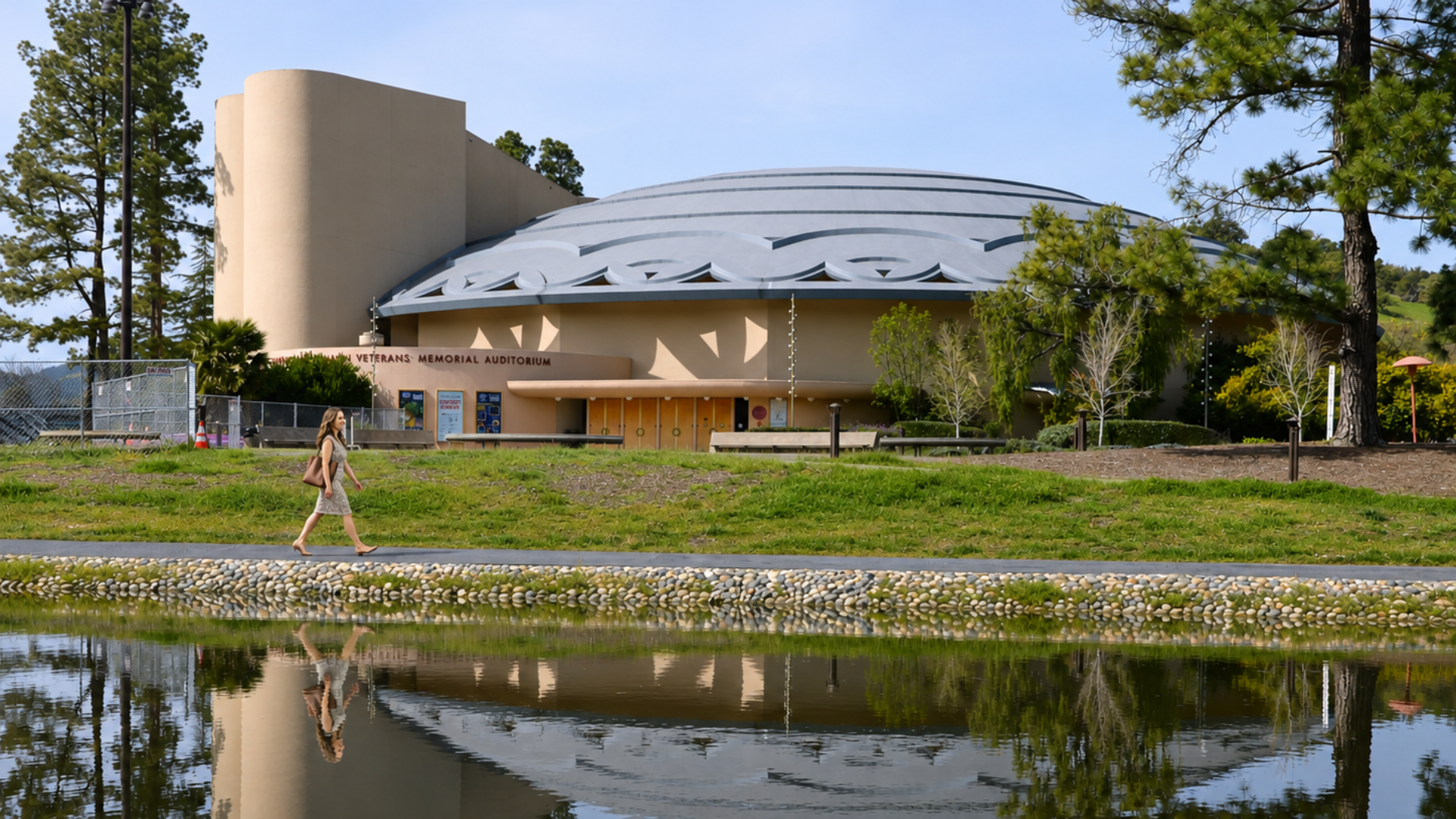
This Veterans Day, honor local veterans in Petaluma and Marin County while learning about VA homeownership benefits and housing resources.

Buying a home? Learn how seller credits, repair negotiations, and contract terms can affect your purchase, with insights for Petaluma and Novato buyers.
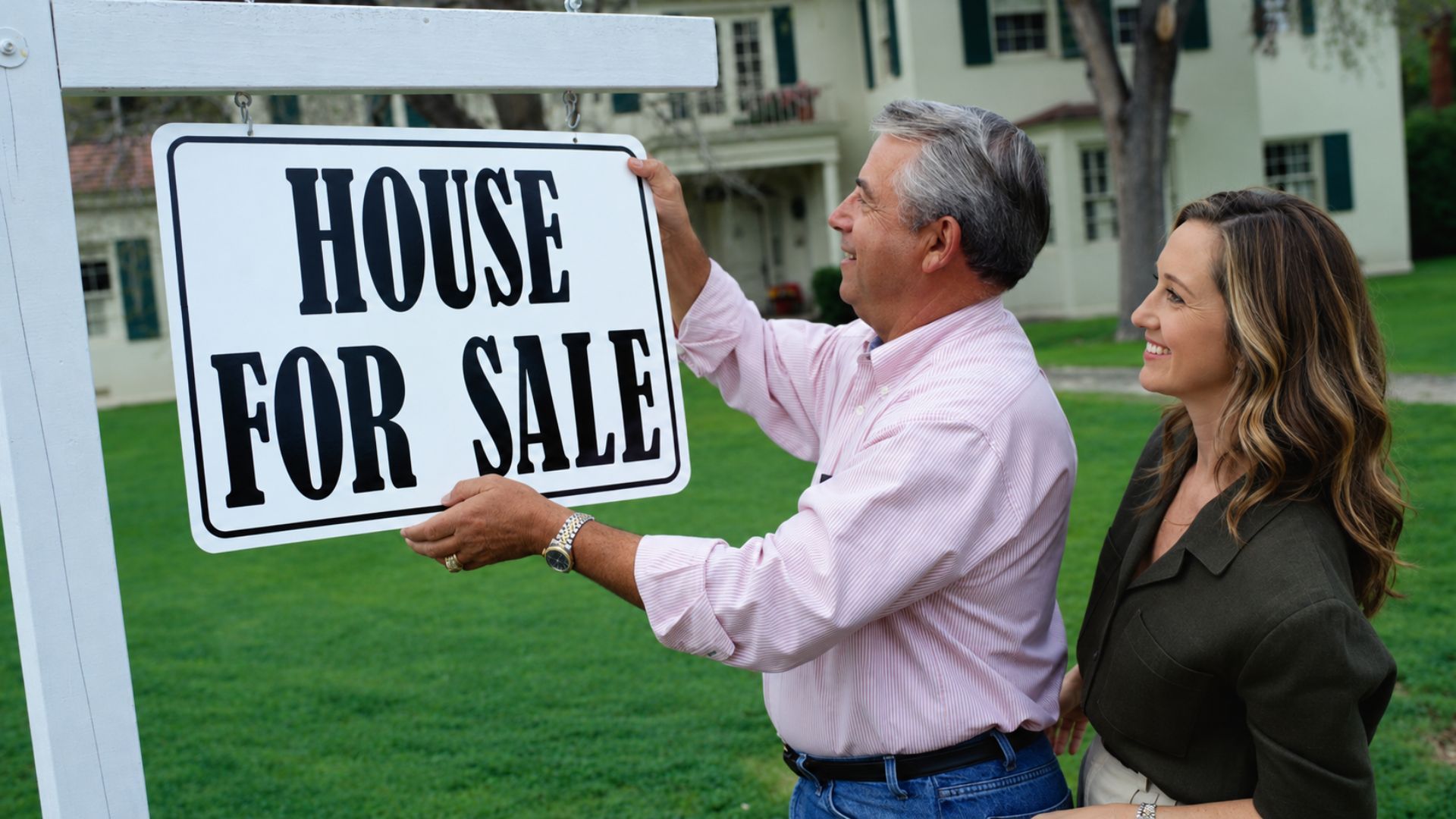
Selling a home in Petaluma or Novato? Learn how mortgage payoffs, closing costs, and local transfer taxes affect your seller net proceeds.

Will the silver tsunami flood the housing market? Discover what 13.9 million projected home transitions mean for sellers and future home inventory.
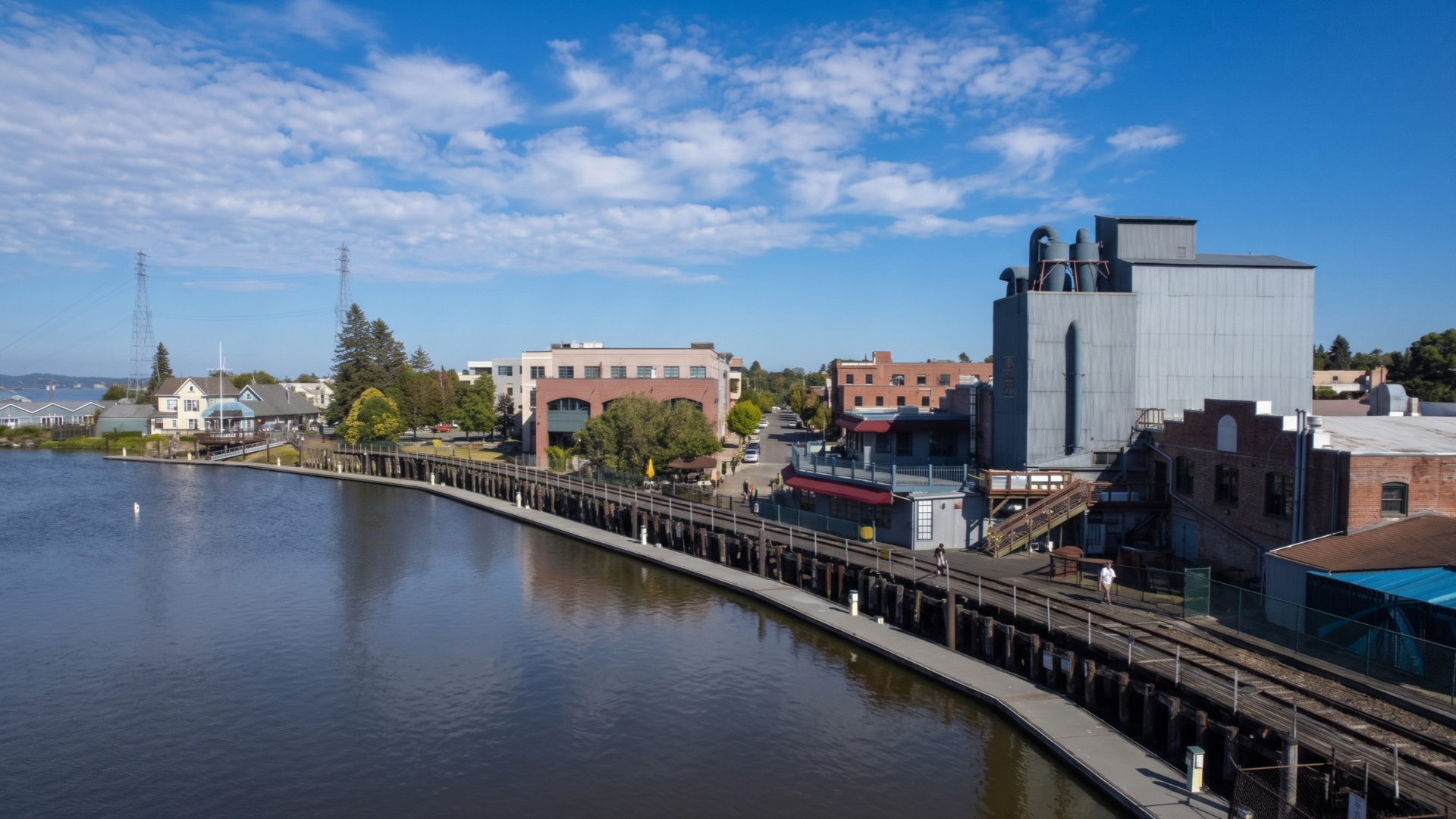
Petaluma's historic railroad trestle could become a public waterfront promenade. Explore the project's history, community progress, and future plans.

Think your credit score is too low to buy a home? Discover what's changed in 2026 and how to explore financing options in Petaluma and Novato.

A major design museum is planned for Novato's former Birkenstock campus. Discover its proposed transformation and surprising connection to Petaluma.
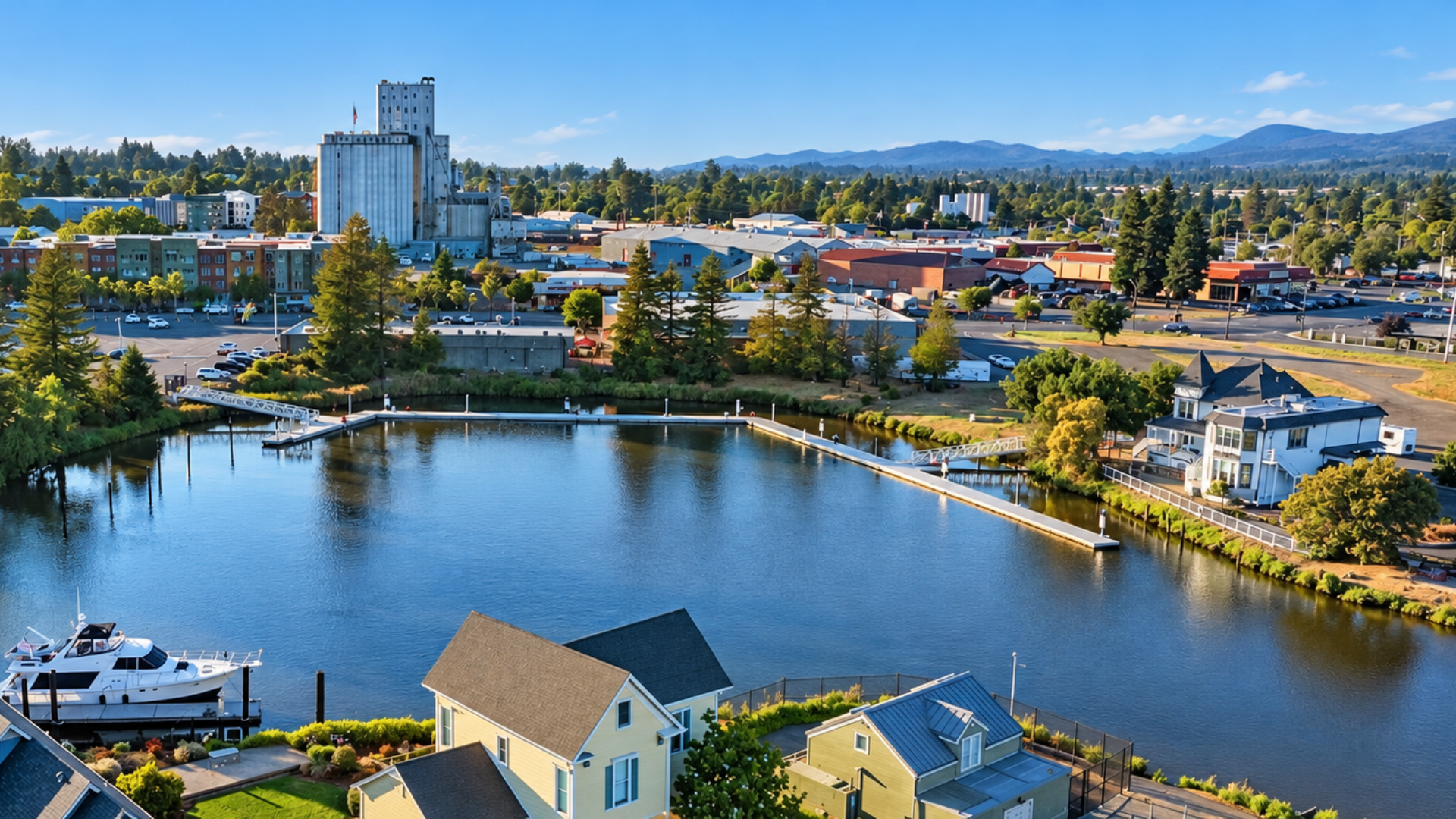
Petaluma's General Plan 2050 is now in effect. Explore what it means for future housing, neighborhoods, downtown, transportation, and local real estate.

By Katia Bidaurreta | Realtor® – Compass

Buying a home in Petaluma or Novato? Discover 5 important checks covering insurance, wildfire hazards, home condition, and local preparedness.