
(415) 717-7243
You've Seen the Empty Lots in Downtown Petaluma. Now There's a Map of Their Stories.
There is a particular kind of landmark in downtown Petaluma that never makes it onto a postcard
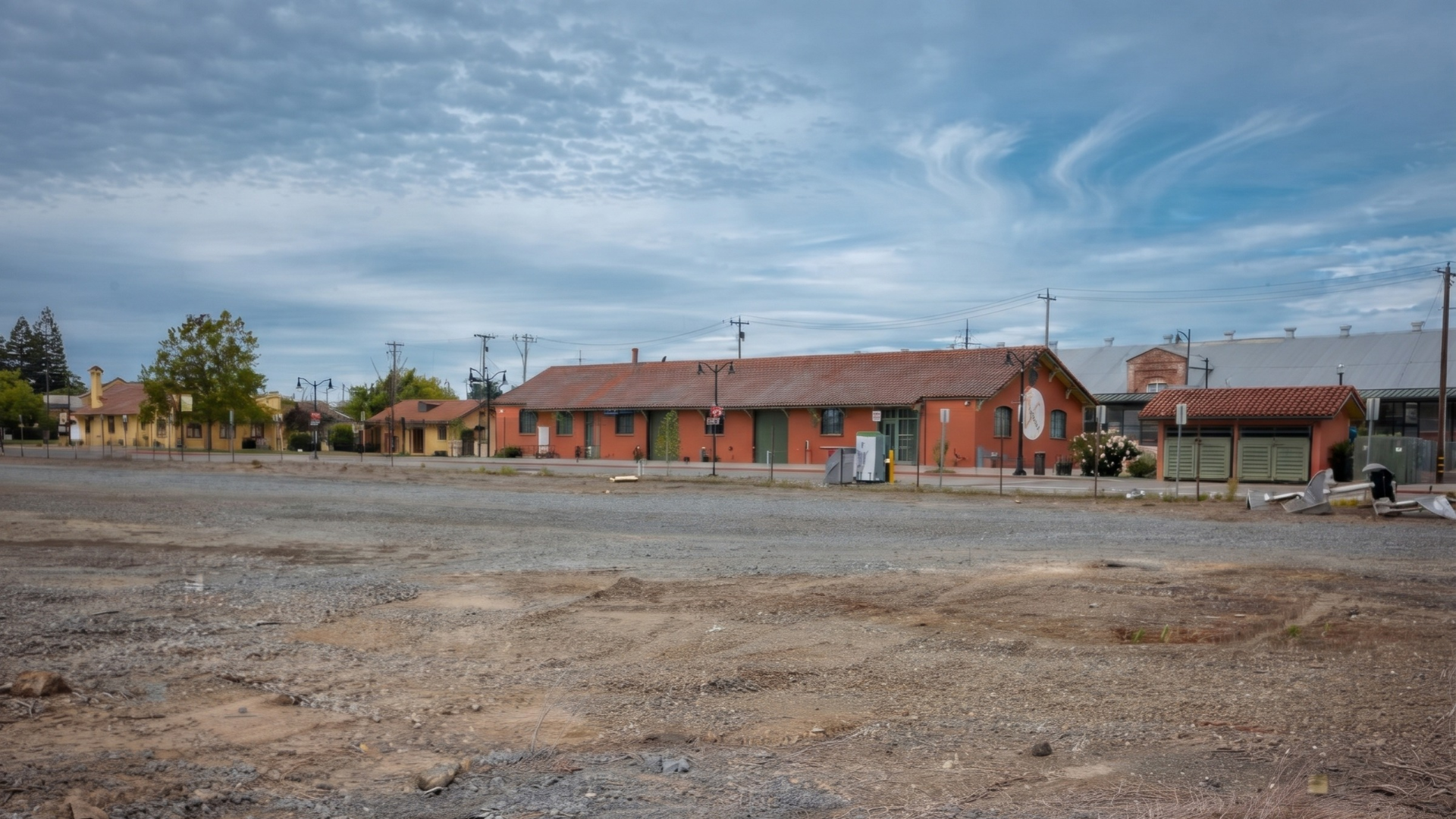
the empty storefront you remember as a restaurant, the fenced lot you have passed for years, or the former bank with nothing happening behind the windows.
You may have wondered the same thing I have: Why is that space still empty when so many people want downtown Petaluma to thrive?
A community project is making that question easier to investigate. The Vacancy Project, an initiative of local nonprofit Petaluma Urban Chat, has created an interactive map of vacant lots, unused buildings, and empty storefronts in the downtown core. When Petaluma Voice reported on its launch in June, the map covered more than 40 properties. The group has continued updating the map, including an October refresh that highlighted newly documented sites and their changing status.
The map doesn't prove that every property is available, abandoned, or stuck in permitting. What it does is put a name, an address, and some history behind spaces that are easy to overlook. And several familiar corners show why there is no single explanation for an empty building.
One Block, Several Very Different Stories
Start near Putnam Plaza, where the former Starbucks at 125 Petaluma Boulevard North is a good example of how the word vacant can hide an active story.
The Vacancy Project's October 2026 update identified the space as a featured property. It said the storefront had been empty for more than a year, but that a plan to bring it back into use existed. At the time of that update, improvement permits had not yet been issued.
Local reporting identified Sapo Coffee, a locally owned business connected to the family behind neighboring Petaluma Pie Company, as the planned occupant. Sapo's own website lists the Petaluma Boulevard address. I could not verify a firm opening date from the public sources reviewed for this article.
So this isn't simply a story about a chain coffee shop leaving. It is also about a local business hoping to occupy a recognizable downtown corner—and the difference between an announced plan and an open door.
Across the boulevard, the former Water Street Bistro at 100 Petaluma Boulevard North tells a different story. After a long run as a neighborhood restaurant, it closed in February 2026. The Vacancy Project's October update said permits had been issued and work was underway, but the group could not confirm a new lease at that time. That is progress of a different kind, and not yet proof of a new business opening.
A sidewalk observer might see two dark storefronts. Their actual circumstances are not the same.
Then There Are the Lots That Have Been Empty for Decades
Some downtown vacancies have outlasted entire generations of businesses.
At 315 East D Street, near the river and downtown SMART station area, the site known as Copeland Landing has been described in local reporting as a roughly 4.48-acre property vacant for more than 60 years. It appears on the Vacancy Project's map alongside other sites with very different histories, ownership, and uses.
Another example is the long-vacant corner of Petaluma Boulevard South and D Street, at 201 Petaluma Boulevard South, which Petaluma Voice described as an approximately 0.46-acre fenced parcel unused since the 1990s.
Imagine the difference between finding a tenant for a built storefront and figuring out what can be done on a bare parcel that has sat unused for decades. One may involve a lease and interior improvements. The other could require property financing, site investigation, design, infrastructure, environmental review, and land-use approvals. The necessary steps depend on the property; the map alone cannot tell us why a particular owner hasn't developed it.
That is why I'm cautious about declaring every empty property a failure of the city—or every unbuilt parcel a missed opportunity for housing. The questions are more specific: Who owns it? What use is allowed? What has been applied for? What has actually been approved?
The Vacancy Project's listings are a starting point for those questions, not a substitute for current city permits or the property owner's plans.
The B Street Hotel Site Is a Reminder That “Approved” Doesn't Mean “Built”
Perhaps the most visible example of how quickly a property's story can change is the empty site at Petaluma Boulevard South and B Street, once occupied by a gas station.
For years, that corner was at the center of the debate over a proposed luxury hotel. An earlier, taller concept drew intense opposition. A shorter, four-story version advanced through city approvals in 2026.
Then the story changed: in September 2026, developer EKN Development informed the city it was abandoning the hotel project and exploring the sale of its property. The city's earlier approvals were real. So was the developer's subsequent decision not to proceed, as reported by Petaluma Voice.
This is a distinction I think readers deserve every time a project makes headlines:
- A proposal is an idea or application under consideration.
- An approval authorizes specified steps, often with conditions.
- A permit may be necessary before certain work can begin.
- Construction means work is actually happening.
- And even a project that has obtained approvals may never be built.
As of this article, I have not verified a new development proposal for that lot. The fact that the old hotel still appears by name on a vacancy map does not mean a hotel is moving forward.
That's precisely why this project benefits from updates—and why it's important to read the dates attached to information shared on Facebook.
Could the Rules for Reusing Downtown Spaces Change?
The conversation has also moved from specific storefronts to the city rules that affect them.
Urban Chat's Vacancy Project has been asking property owners, brokers, business operators, and residents about obstacles to reuse. In its September commentary on Petaluma's zoning overhaul, the group argued for clearer permitted uses and fewer situations where small commercial activities require discretionary permits. That's the group's position, not a finding that permits explain every empty property.
The city is also undertaking a broader code update following the adoption of General Plan 2050 in September. On November 9, 2026, the Petaluma City Council voted 5–2 to introduce the first phase of zoning reforms. That was an initial legislative step, not confirmation that all proposed changes had taken effect. Later phases are still part of the broader reform effort. You can follow the city's planning process through the Petaluma Zoning Reform tracker and General Plan information.
People disagree about the right balance between faster approvals, preserving downtown character, neighborhood impacts, and public review. Those trade-offs deserve a real conversation. But there's one useful point of agreement: residents and business owners make better decisions when the process—and the status of each site—is clear.
Why This Matters Even If You Don't Own a Downtown Business
An empty shop changes the feel of a block. So does a new café, a working storefront, or a vacant lot left behind a fence. They influence the route you choose to walk, whether you stop for lunch, and how much time you spend in an area.
They also reveal something important about real estate: a property has more than one kind of potential, and potential is not the same as certainty.
If you're considering a home within walking distance of downtown Petaluma, visit the neighborhood on an ordinary day. Notice which storefronts are in use and what is happening on the blocks between the home and your favorite places. If a nearby parcel matters to you, look up the actual planning record before assuming the current view will last—or that a proposed business is definitely coming.
For sellers, the same discipline applies. It's fine to tell the story of a location people enjoy. It isn't fair to market an unbuilt project or an unconfirmed business opening as an established neighborhood amenity.
I often encourage buyers to think beyond a listing's phrase “near downtown.” What matters is the downtown they will actually use, not just the one someone hopes to build. My Buyer's Guide covers the broader home-search process, while Petaluma's adopted General Plan 2050 provides useful context for how the city is planning for change.
The Most Interesting Question May Be What's Next
The Vacancy Project offers a practical way to follow that question. Its map lets readers explore specific locations, and its “Recently updated” filter helps distinguish a changed listing from one that has simply been on the map for months. The group also invites community input and continues to advocate for ways to return underused properties to active use.
Not every empty lot needs to become the same thing. Not every storefront will be a restaurant. And a community can value historic character while still wondering why a prominent property has been dark for years.
Maybe the next time you walk through downtown Petaluma, you'll find yourself noticing a familiar corner differently. Instead of only asking why it's empty, you might ask what information is missing—and who has the power to change its next chapter.
Which downtown Petaluma space would you most like to see brought back to life? I'd love to hear the place you have in mind.
And if you're thinking about buying or selling a home in Petaluma, Novato, or elsewhere in Sonoma and Marin counties, I'm happy to help you understand the neighborhood around the address—not just the house itself.
Katia Bidaurreta, REALTOR® | Compass | CA DRE #02152439
Serving Petaluma, Novato, and communities throughout Sonoma and Marin counties
Phone:
415-717-7243
Email:
katia.bidaurreta@compass.com
Website:
www.katiabidaurreta.com
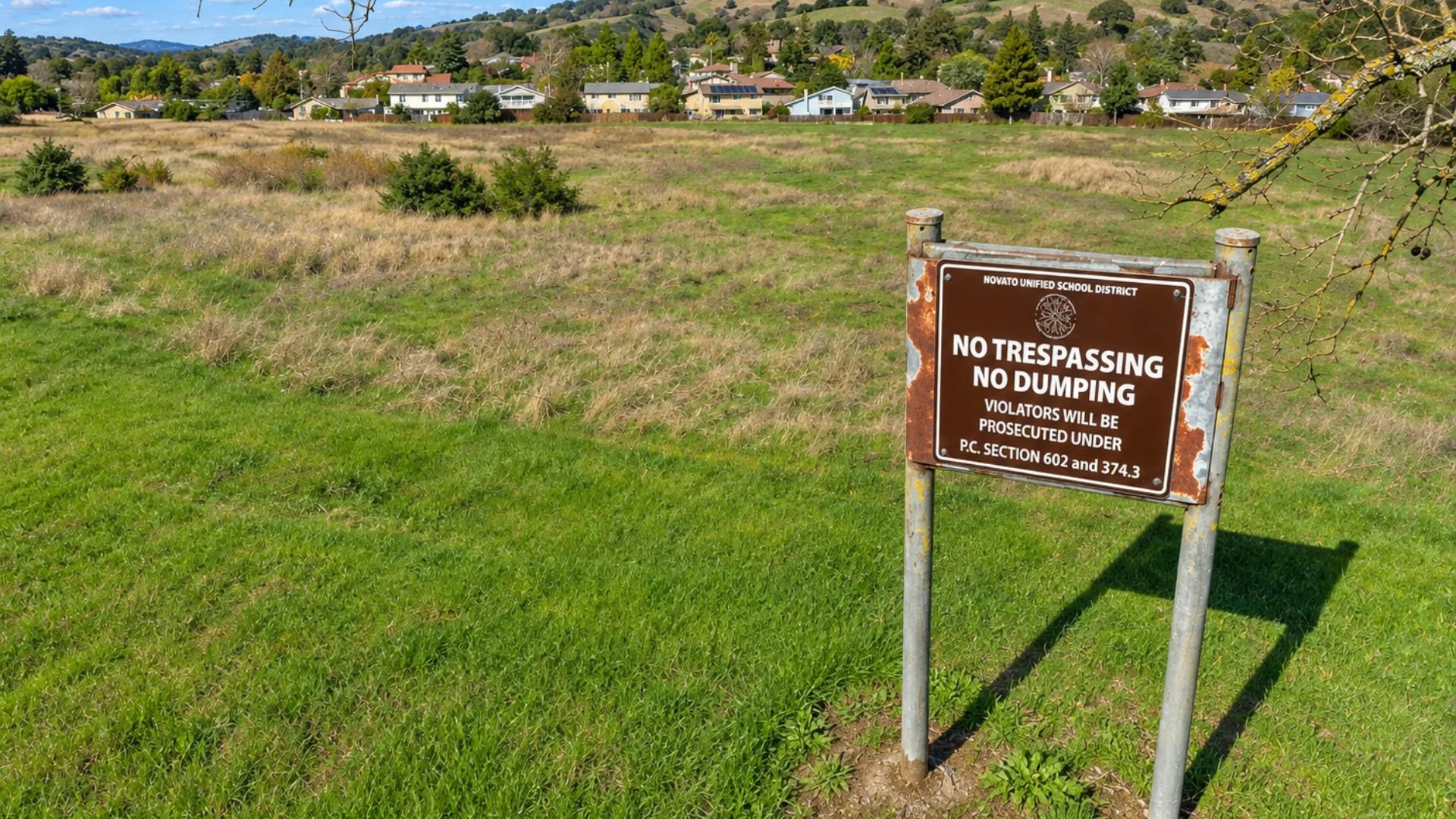
Novato Unified is exploring housing at San Andreas and Meadow Park Annex. Learn what's proposed, what isn't approved, and what could happen next.

Petaluma's animal shelter has a new operator. Learn what changed in 2026, who handles adoptions and animal control, and why local residents care.
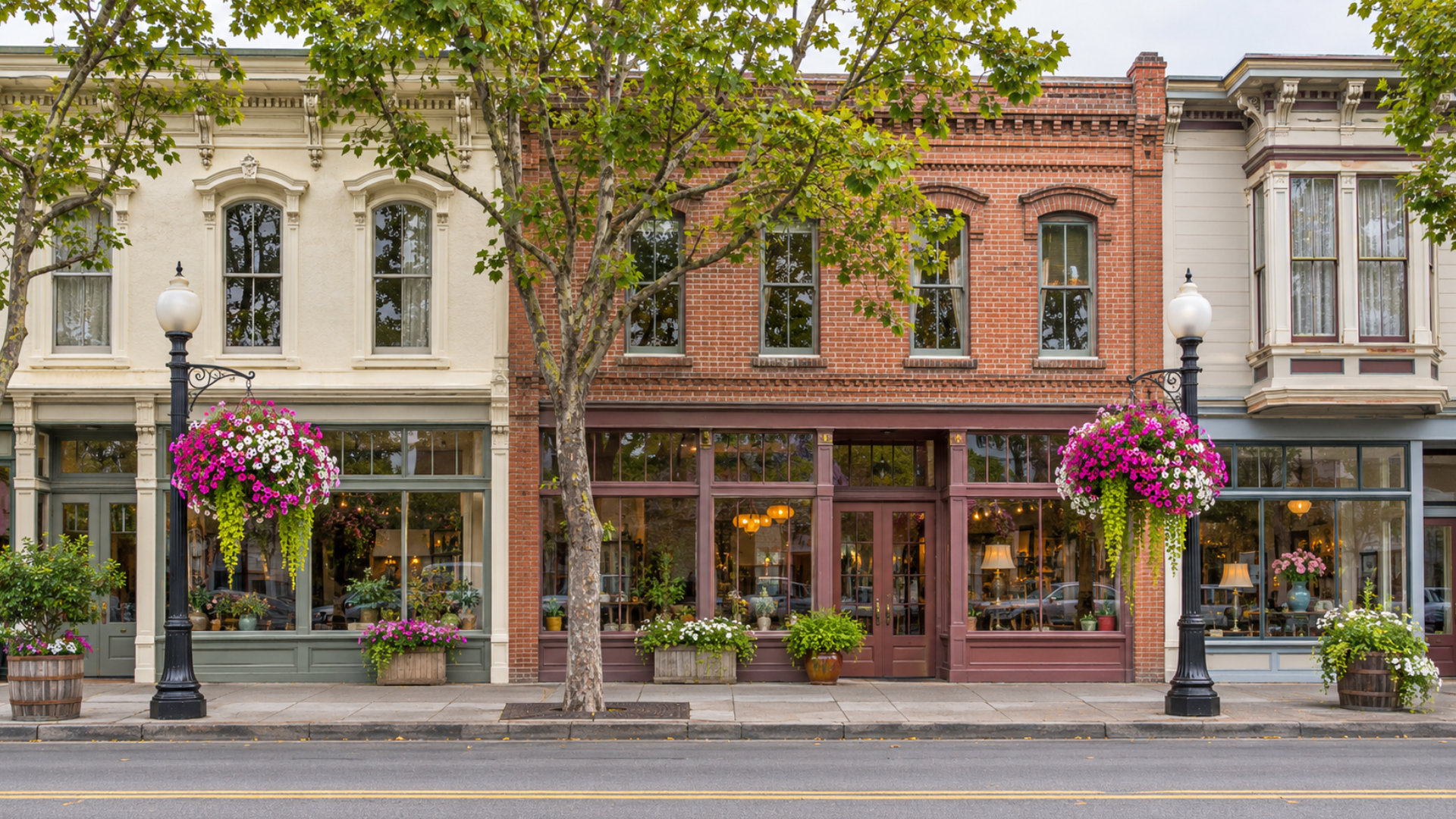
Meet the volunteers behind downtown Petaluma’s hanging flower baskets, learn what it takes to keep them blooming, and see what they hope to do next.
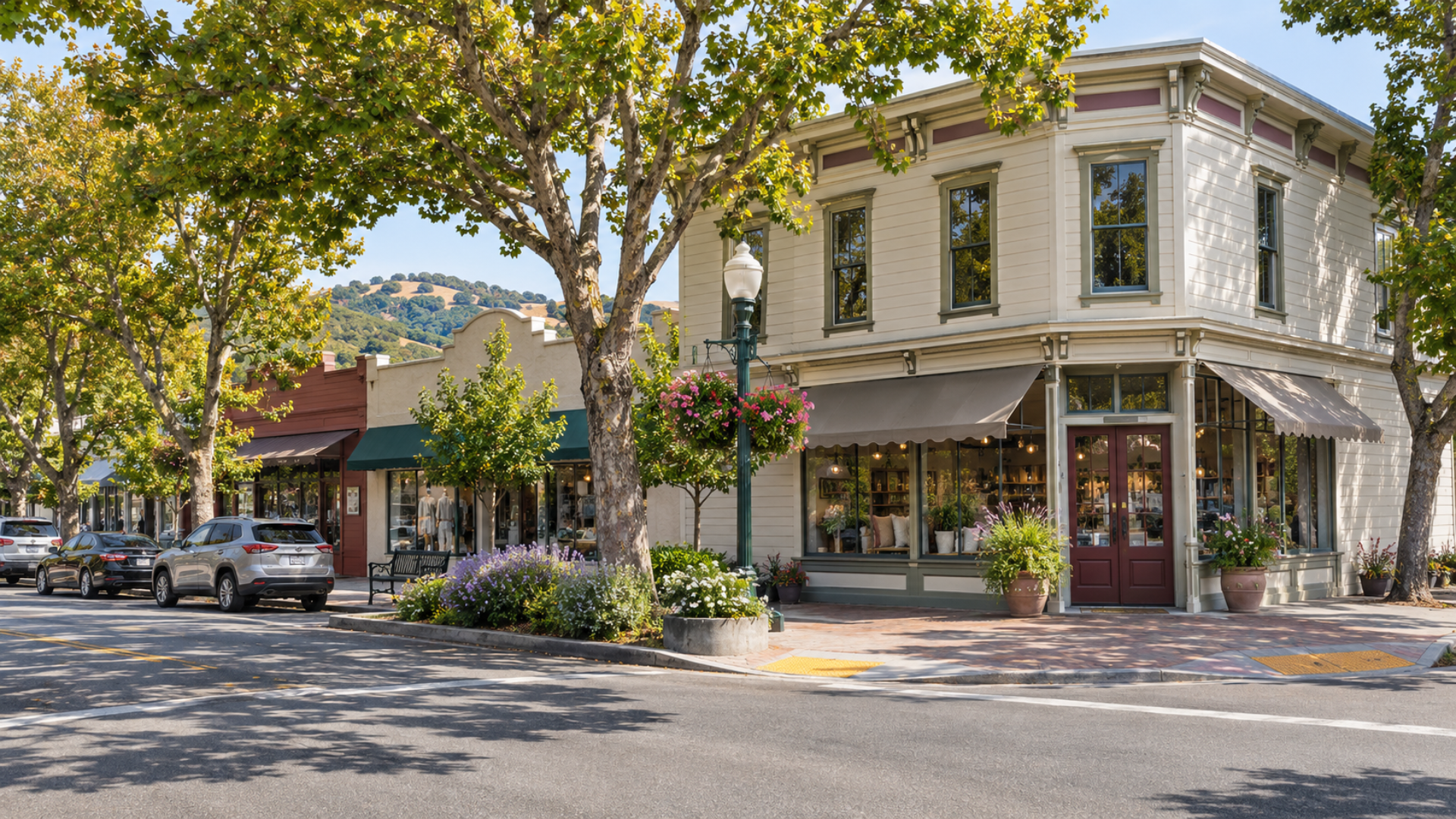
On Grant Avenue, there’s a spot that tells you a lot about how downtown Novato changes.
If your backyard opens onto a former golf course, how do you know what can happen to that land next?

Buying in Petaluma or Novato? Learn how to check FEMA flood maps, review seller disclosures, and get a flood insurance quote before making an offer.

Are rising foreclosures a warning of another housing crash? Explore the 2026 data and what it means for buyers and sellers in Petaluma and Novato.
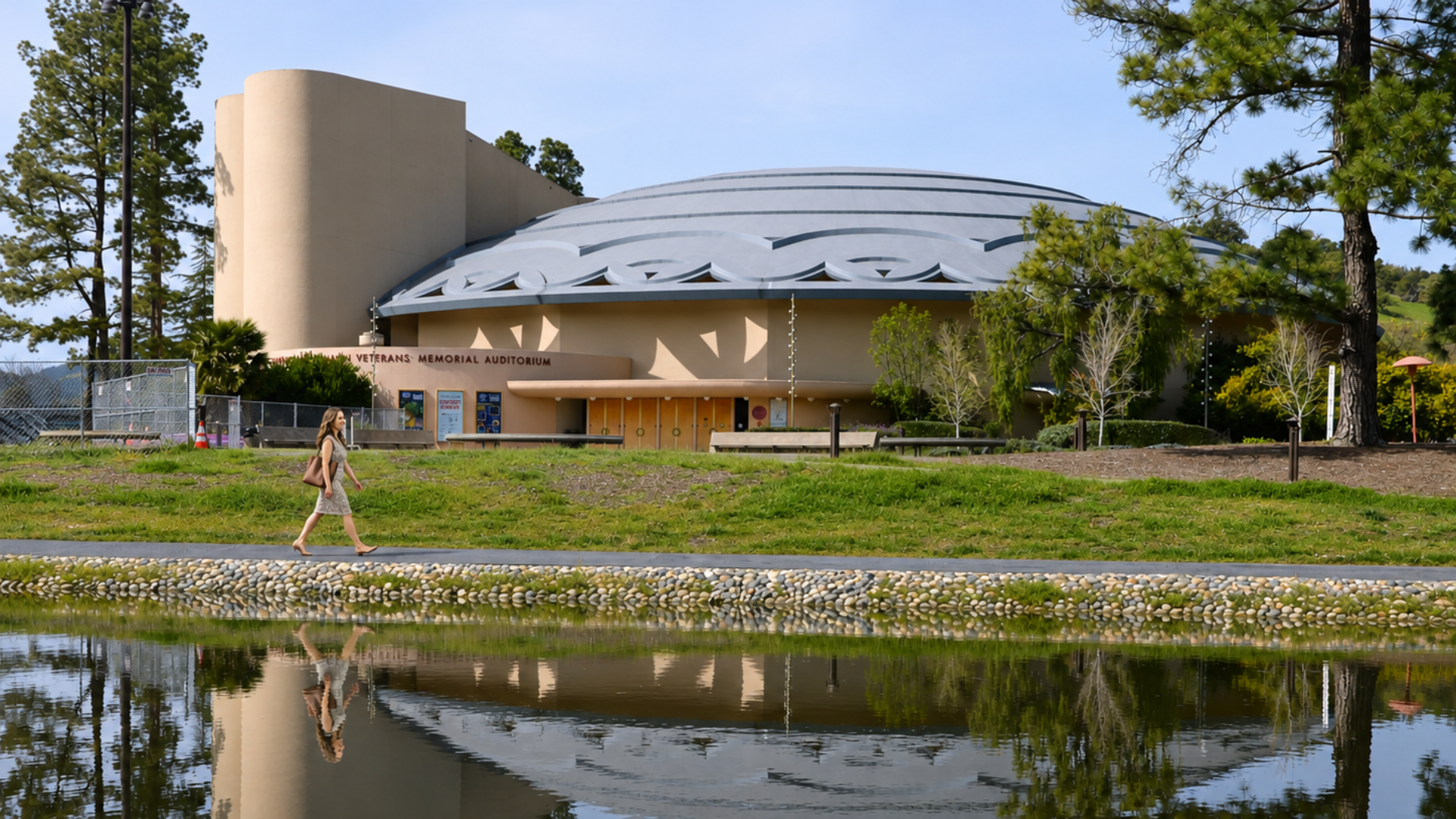
This Veterans Day, honor local veterans in Petaluma and Marin County while learning about VA homeownership benefits and housing resources.

Buying a home? Learn how seller credits, repair negotiations, and contract terms can affect your purchase, with insights for Petaluma and Novato buyers.

Own a home in Petaluma or Novato but live elsewhere? Learn how to sell remotely, coordinate showings, handle documents, and work with a local agent.