

(415) 717-7243
What Changed at Petaluma's Animal Shelter on Hopper Street?
Sometimes, the most meaningful changes in a community happen at an address people already know.
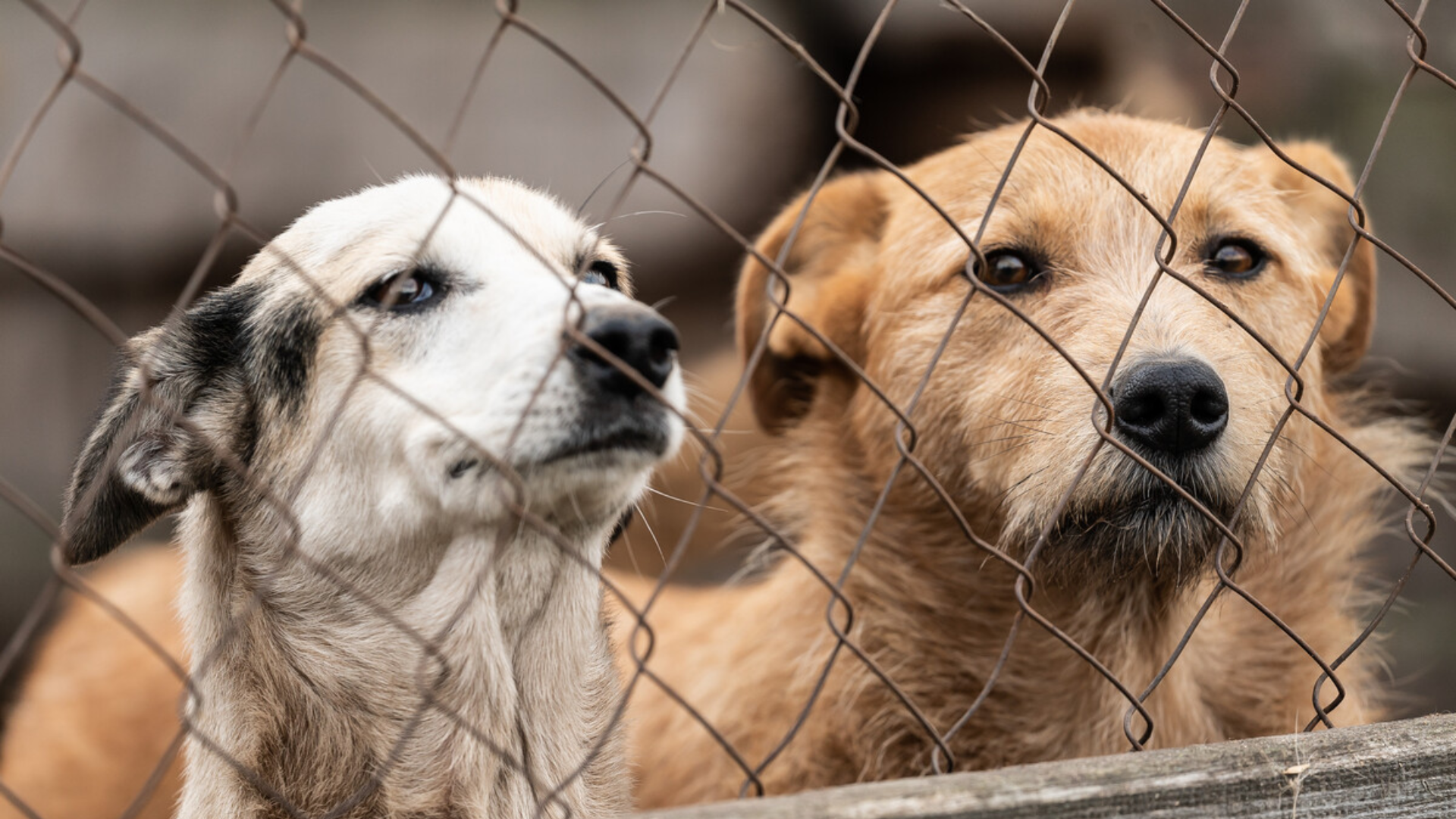
For Petaluma residents, 840 Hopper Street is one of those addresses. It's where someone might go hoping to adopt a dog, ask for help with a lost cat, or find out what to do after discovering a stray animal.
Earlier this month, the Petaluma Animal Shelter welcomed neighbors to a grand-opening celebration under a new operator: the Humane Society of Sonoma County. It was a public milestone in a transition that had been unfolding for months, following concerns about how the shelter and animal services had previously been managed.
But what changed, exactly? And if you live in Petaluma, why does it matter even if you're not looking to adopt?
The answer is bigger than a new name on the door. It's about the services people rely on, the care animals receive, and the trust a local institution needs to earn.
A Familiar Address, a Different Team
The shelter didn't appear overnight, and its November celebration wasn't the first day of operations.
The City of Petaluma ended its relationship with its previous animal-services provider earlier in 2026 amid concerns about shelter operations and oversight. Marin Humane then stepped in as a temporary operator from April through August, helping care for animals while the city worked on a more permanent arrangement.
A new division of responsibilities began in September. Sonoma County Animal Services assumed animal control and dog-licensing responsibilities, while the Humane Society of Sonoma County took over day-to-day shelter operations.
The Humane Society says it began operating the Hopper Street shelter on September 15 and reopened to the public on September 23. The community grand opening followed on November 14.
Those dates matter because they show this is an operating shelter with new management, not a proposed facility or a future promise.
They also explain why residents may have heard several different organization names during the year. The temporary operator, the current shelter operator, and the agency handling field calls have not all been the same organization.
Why the Transition Happened
It's tempting to tell every reopening story as though a ribbon-cutting fixes everything that came before. This one deserves more care.
Local reporting and Sonoma County Civil Grand Jury investigations raised serious questions about the former animal-services arrangement and the city's oversight. Petaluma subsequently ended that contract and arranged interim services while pursuing a new model.
The new arrangement is a significant operational change. It is not, by itself, proof that every past problem has been solved.
Accountability, consistent animal care, clear public information, and continuing oversight still matter.
The Humane Society of Sonoma County has described the transition as an opportunity to bring its approach to animal care to Petaluma.
On its official shelter page, it reports taking in 11 animals from Petaluma during the transition, including six that needed medical attention from its shelter medical team.
That's a small, specific detail, but it says something important about what a shelter transition involves. The work isn't just signing an agreement and turning on the lights. Animals still need feeding, veterinary care, safe housing, and people who know what they need.
For residents, the most practical question is whether they can get reliable help when an animal needs it. That is the standard by which this new chapter will ultimately be judged.
One Shelter, Two Different Kinds of Help
Here's a distinction worth knowing before you need it.
If you're interested in adopting an animal, visiting the Petaluma shelter, or asking about an animal currently in its care, the Humane Society of Sonoma County is the appropriate place to start.
The Petaluma shelter is at 840 Hopper Street. Its published adoption hours are Wednesday through Saturday, noon to 5 p.m., with general business hours from 10 a.m. to 5 p.m. on those days. The shelter's phone number is 707-789-5750. Hours can change, so check before visiting.
If you need animal control field services or dog licensing, the responsible organization is Sonoma County Animal Services, reached at 707-565-7100. Its phone menu directs callers to field services or licensing.
Lost pets can involve both agencies. The Humane Society offers lost-and-found guidance, while Sonoma County Animal Services accepts reports and handles field responsibilities. If an animal is in your care or you aren't sure where to start, the shelter's Petaluma information page explains the current process.
That might sound like a minor administrative detail. But when a dog slips through a gate or a pet doesn't come home, knowing the right number can spare a family unnecessary confusion.
The Small Stories That Make a Shelter Matter
A local shelter is where the everyday and the extraordinary meet.
Sometimes it's a family considering a new companion. Sometimes it's an animal that needs treatment before adoption. And sometimes the outcome is much simpler: someone gets their missing pet back.
In a November local-news photo feature, Petaluma Voice described a resident, Jessica Kawaoka, being reunited at the shelter with her missing chicken, Tushy. It's an unusually Petaluma detail, and a memorable reminder that the animals our neighbors care about aren't all dogs and cats.
A reunion like that doesn't erase the difficult history of the shelter's transition. But it does capture what people hope a community animal-service system will do: help an animal and its person find their way back to each other.
The Humane Society also provides adoption information and publishes animals available for placement. Those listings change, so it makes more sense to link readers to current adoptable animals than to name a particular pet that may already have found a home.
How Neighbors Can Be Part of the Next Chapter
Not everyone is ready to adopt, and not everyone can volunteer. There are still ways to support the work.
The Humane Society's Petaluma page identifies useful donations such as clean towels, clean blankets without holes, and unexpired pet food and treats. It also accepts monetary contributions. Before dropping anything off, confirm its current wish list and donation hours.
One important detail: although the November grand-opening event invited community involvement, the Humane Society's current Petaluma FAQ says it is not yet accepting volunteers at that specific campus. The organization says it will announce opportunities when they're available. Residents interested in volunteering now can explore other Humane Society locations.
That is exactly the kind of information worth getting right in a local article. A well-meaning neighbor shouldn't drive across town expecting to sign up for a shift that isn't open yet.
And because shelter services involve public responsibility as well as nonprofit work, residents can also follow Petaluma's animal-services updates and the ongoing county arrangements. Caring about the shelter includes being interested in how well the system works over time.
What a Community's Everyday Services Tell You About Living There
When people talk to me about buying a home in Petaluma, the conversation naturally starts with the home itself. The floor plan, condition, outdoor space, and location all matter.
But the longer I work in real estate, the more I appreciate the questions that come afterward.
Where would you take the dog for a walk? What local organizations would become part of your routine? Who do you call when something goes wrong? What gives a neighborhood its sense of connection?
Those things don't show up in a home's square footage, and they aren't reasons to assume one property will gain value over another. But they shape the experience of living somewhere.
A community shelter is one example. It's not a housing development or a new real estate listing, yet it is part of the support network that makes a city feel like a place people can put down roots.
For buyers bringing pets into a new home, the practical considerations still matter too. Check any homeowners association or rental restrictions, make sure the property's outdoor spaces suit your animals, and learn about nearby veterinary and animal services. Those details should be considered alongside the usual home inspection and neighborhood research.
You can explore more of the homebuying process in my Buyer's Guide.
Frequently Asked Questions
Who operates the Petaluma Animal Shelter now?
The Humane Society of Sonoma County operates the shelter at 840 Hopper Street. Sonoma County Animal Services separately handles animal control field services and dog licensing.
Is the Petaluma Animal Shelter open for adoptions?
Yes. Its published adoption hours are Wednesday through Saturday, noon to 5 p.m. Check the official hours page before visiting.
Can I volunteer at the Petaluma shelter today?
The Humane Society's current FAQ says volunteer opportunities at the Petaluma campus are not yet open. It encourages prospective volunteers to consider its other campuses while Petaluma opportunities are being developed.
Bottom Line
A grand opening makes for a nice photograph. The more important story is what happens afterward.
Petaluma's shelter now has a new operator, a different arrangement for animal control and licensing, and a fresh opportunity to serve its neighbors. The community will be watching—and, hopefully, participating—as that work continues.
If you're a Petaluma resident, consider sharing a positive experience with a local rescue, shelter, or pet-care organization. Those are the kinds of neighborhood stories I love hearing.
And if you're thinking about buying or selling a home in Petaluma, Novato, or the surrounding Sonoma and Marin County communities, I'd be happy to help you explore what makes each area feel like home—beyond the property itself.
Katia Bidaurreta | REALTOR® | Compass | CA DRE #02152439
Serving Petaluma, Novato, and surrounding Sonoma and Marin County communities
Phone:
415-717-7243
Email:
katia.bidaurreta@compass.com
Website:
www.katiabidaurreta.com
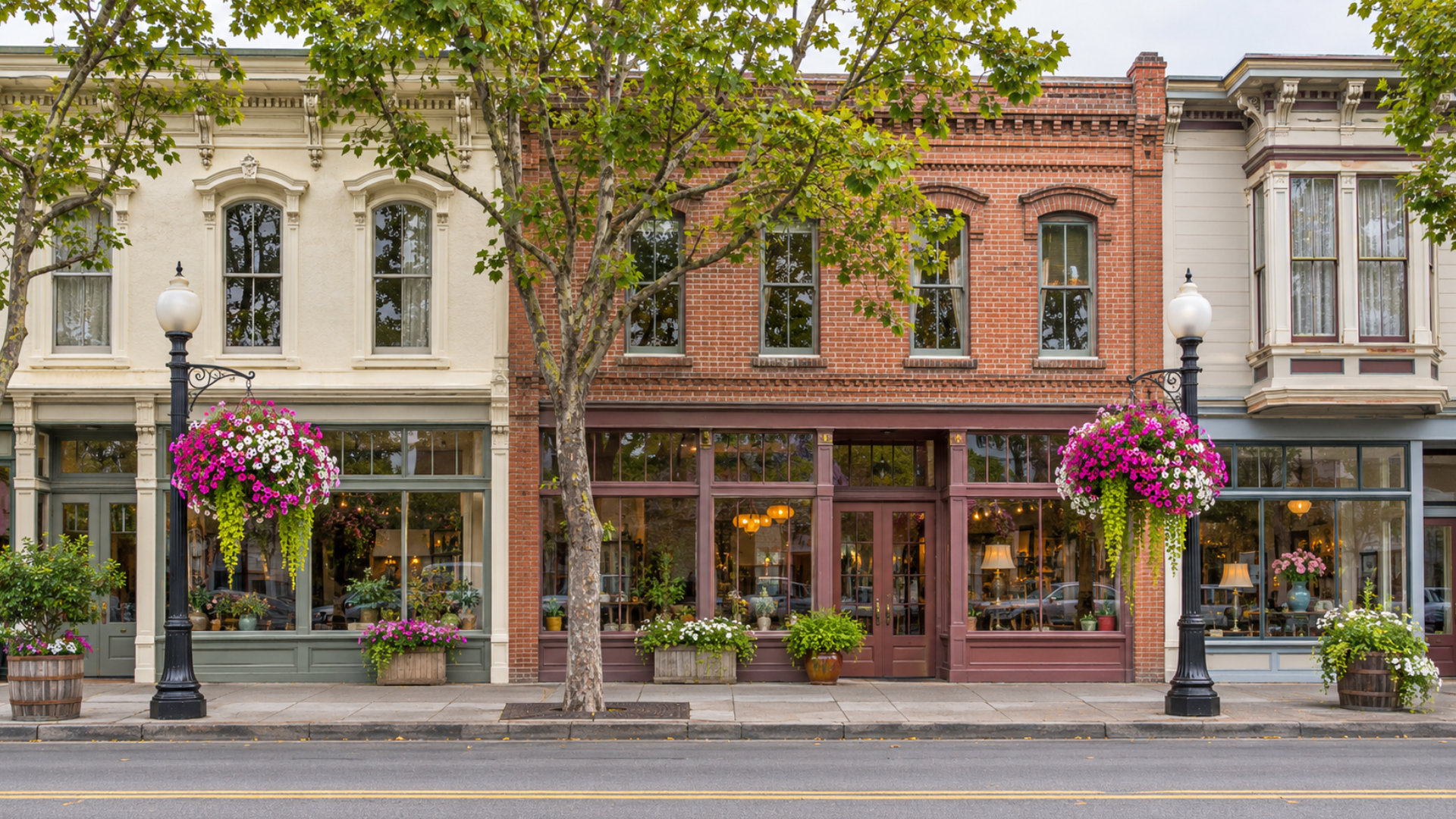
Meet the volunteers behind downtown Petaluma’s hanging flower baskets, learn what it takes to keep them blooming, and see what they hope to do next.
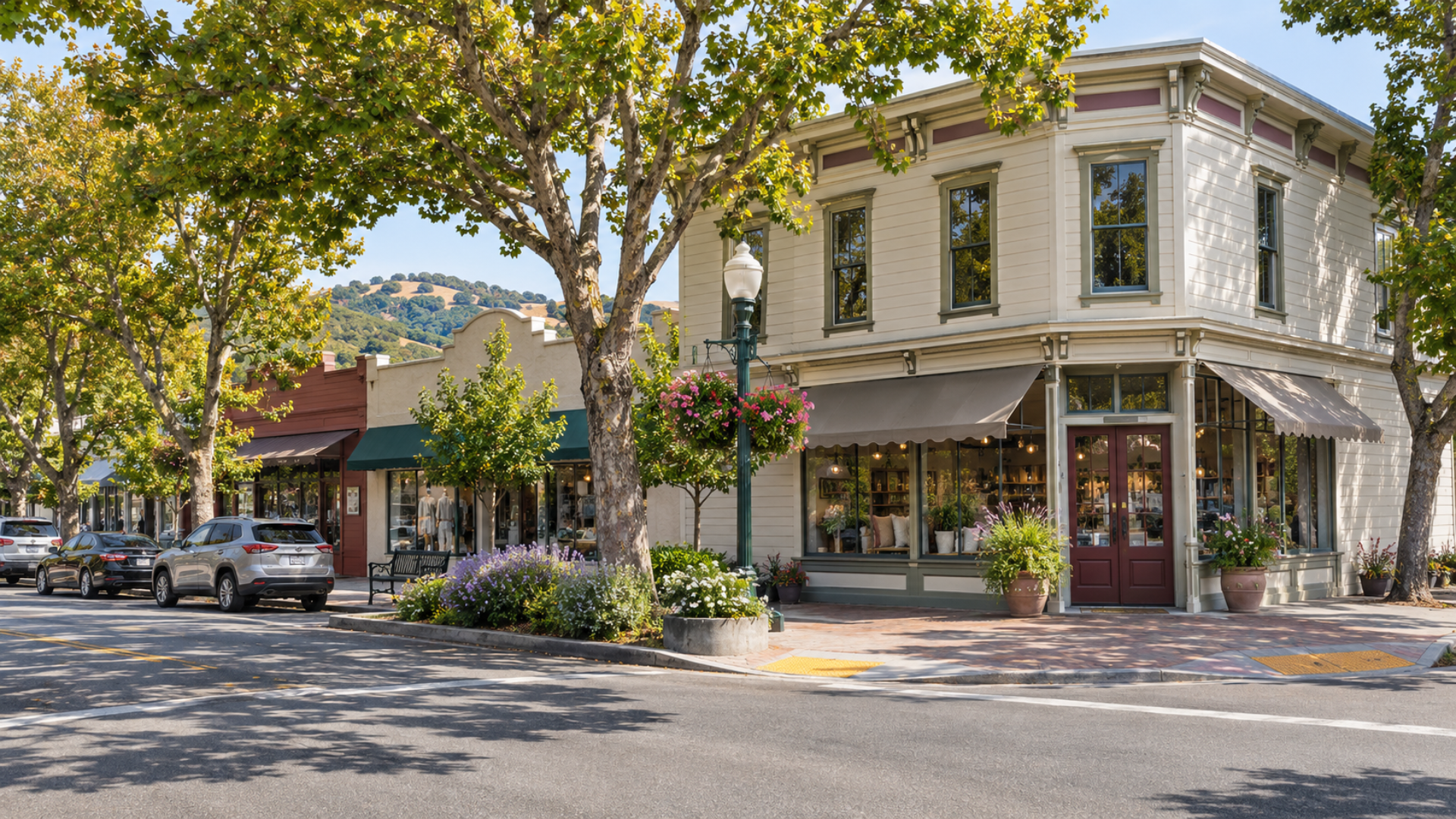
On Grant Avenue, there’s a spot that tells you a lot about how downtown Novato changes.

If your backyard opens onto a former golf course, how do you know what can happen to that land next?

Buying in Petaluma or Novato? Learn how to check FEMA flood maps, review seller disclosures, and get a flood insurance quote before making an offer.

Are rising foreclosures a warning of another housing crash? Explore the 2026 data and what it means for buyers and sellers in Petaluma and Novato.
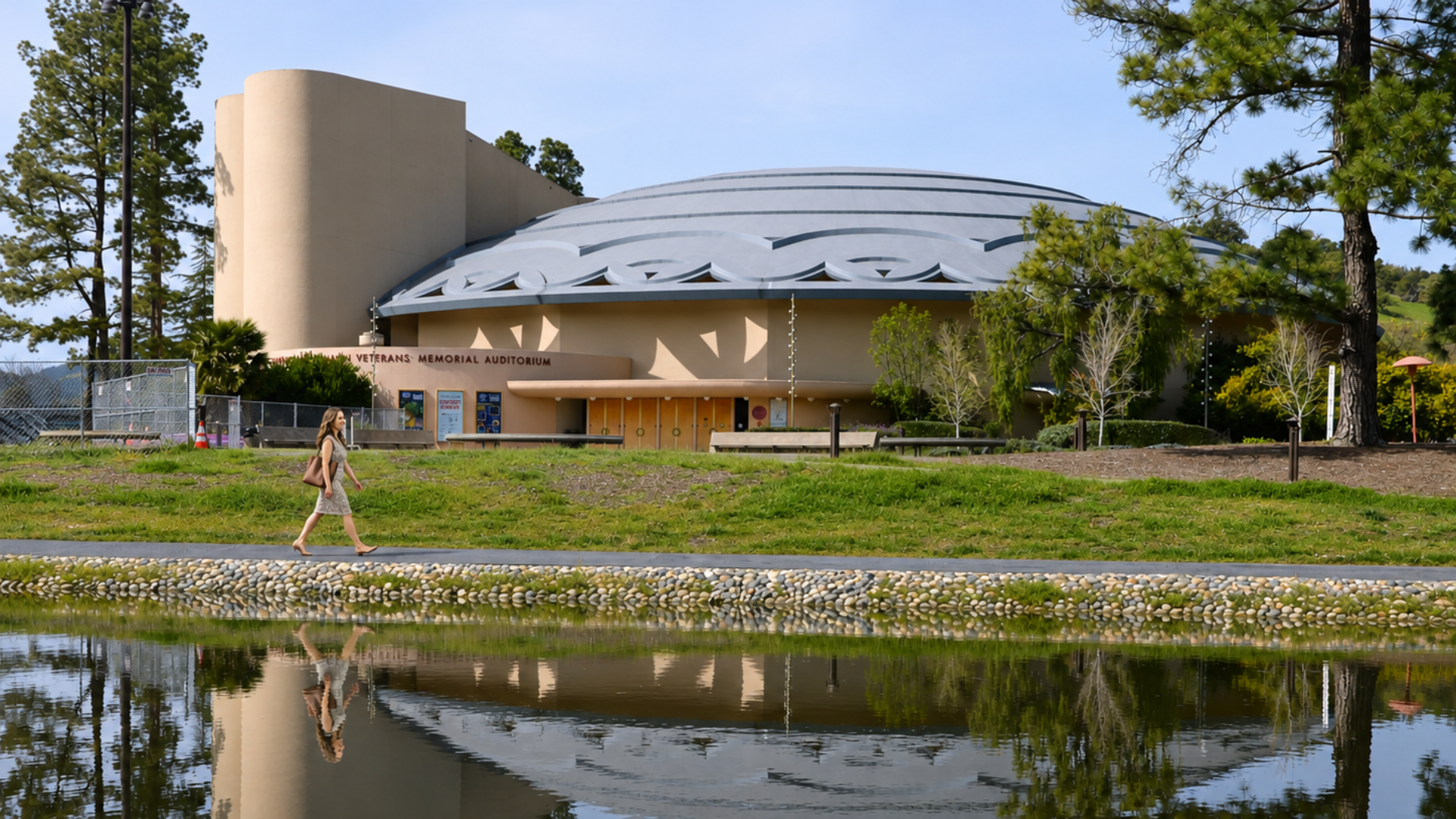
This Veterans Day, honor local veterans in Petaluma and Marin County while learning about VA homeownership benefits and housing resources.

Buying a home? Learn how seller credits, repair negotiations, and contract terms can affect your purchase, with insights for Petaluma and Novato buyers.

Own a home in Petaluma or Novato but live elsewhere? Learn how to sell remotely, coordinate showings, handle documents, and work with a local agent.
Selling a home in Petaluma or Novato? Learn how mortgage payoffs, closing costs, and local transfer taxes affect your seller net proceeds.

Will the silver tsunami flood the housing market? Discover what 13.9 million projected home transitions mean for sellers and future home inventory.